A bipartisan group of lawmakers is taking direct aim at the unlimited money flowing through American elections. Sen. Bernie Sanders, joined by Sen. Mike Lee and Rep. Summer Lee, has introduced the Abolish Super PACs Act, a measure that would cap individual contributions to super PACs at $5,000 – a limit so low it would effectively end super PACs as they currently operate.
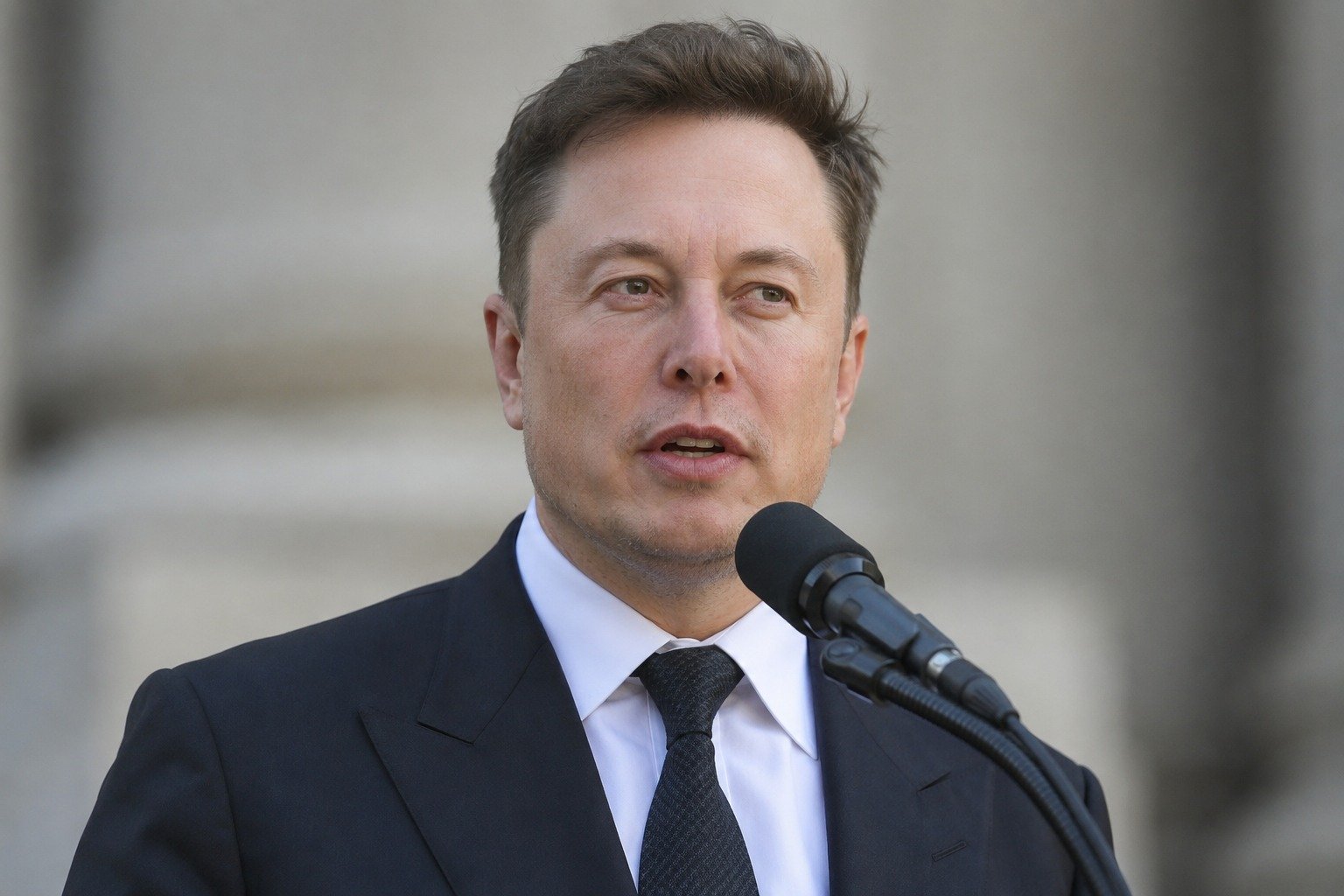
The timing is pointed. According to Sanders’ office, Elon Musk spent at least $290 million to help elect Donald Trump during the 2024 election cycle, a sum that turned a single billionaire into one of the most influential forces in the country’s politics. For the bill’s sponsors, that figure is not an outlier to be marveled at – it is the precise problem they say the legislation is built to fix.
What the Abolish Super PACs Act Would Do
Super PACs are political committees that can raise and spend unlimited amounts of money to support or oppose candidates, as long as they do not coordinate directly with the campaigns themselves. The Abolish Super PACs Act would change that by capping how much any one person can give to a super PAC at $5,000 per year. Because the entire model of a super PAC depends on a handful of donors writing enormous checks, a $5,000 ceiling would strip away the very feature that makes them powerful. In practical terms, the bill does what its name promises: it abolishes super PACs without formally banning them.
An Unusual Coalition
What makes this effort notable is who is behind it. The bill is co-led, not the work of Sanders alone. Sanders, a progressive independent from Vermont, is partnering with Sen. Mike Lee of Utah, one of the most conservative members of the Senate, and Rep. Summer Lee of Pennsylvania, a progressive Democrat. It is a rare alignment across a deep ideological divide, the kind that almost never forms in today’s Congress.
That coalition matters because it reframes campaign finance as something other than a partisan fight. When a democratic socialist and a hardline conservative agree that one person should not be able to spend hundreds of millions of dollars to swing an election, the question stops being about left versus right and starts being about the size of a single donor’s voice compared to everyone else’s.
The Citizens United Backdrop
Super PACs are a relatively recent feature of American elections. They trace back to the Supreme Court’s 2010 Citizens United decision, which held that the government could not limit independent political spending by corporations, unions, and other groups. The ruling opened the door to unlimited outside money, and super PACs quickly became the vehicle of choice for the wealthiest donors. In the years since, a small group of ultra-rich Americans has poured staggering sums into races up and down the ballot, often dwarfing what the candidates themselves can raise.
Musk’s reported $290 million in the 2024 cycle is the most extreme recent example of that dynamic, but it is far from the only one. Billionaire spending has become a permanent fixture of presidential and congressional campaigns, and critics argue it has shifted the incentives of elected officials away from ordinary voters and toward the donors who can fund – or sink – their next race.
What It Means for Americans
For everyday voters, the stakes are straightforward. When a single individual can spend more than a quarter of a billion dollars to influence an election, the value of an ordinary citizen’s donation – or vote – can feel vanishingly small by comparison. Supporters of the bill argue that capping super PAC contributions would help rebalance that equation and force candidates to build broader bases of support rather than courting a few mega-donors.
The bill faces long odds in a Congress where both parties have come to rely on super PAC money, and passage is far from guaranteed. But by putting the proposal on the table, its sponsors are forcing a direct question into the open: should one person be able to spend hundreds of millions of dollars to shape who governs the country, or should there be a limit?
Stay informed on the stories that matter most. Follow Your Daily Updates on Facebook and bookmark yourdailyupdates.news for breaking news and analysis.