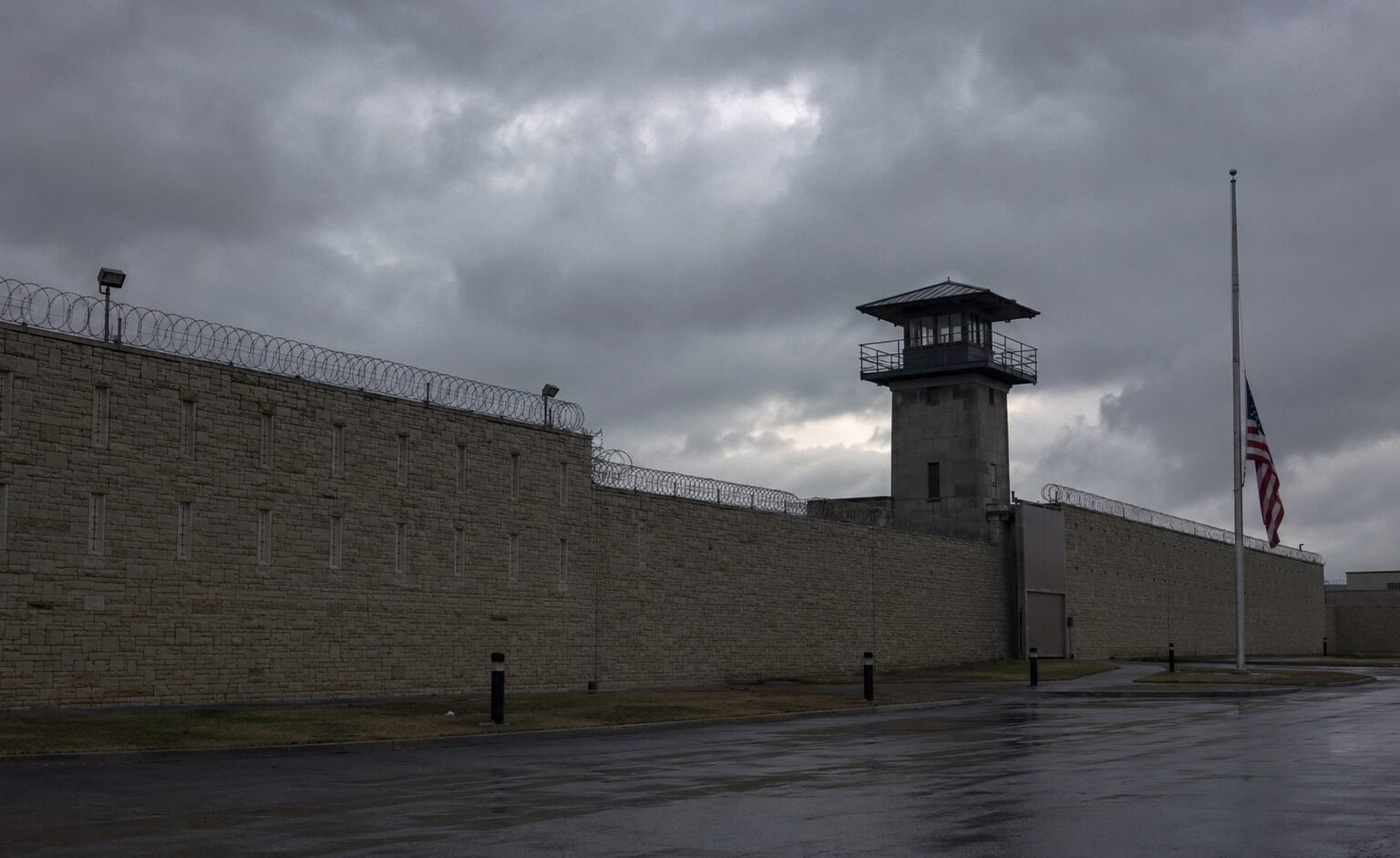
The U.S. military has not carried out an execution since 1961. According to internal documents reported by ABC News, the Army has now drawn up a contingency plan to change that — and the only missing piece is a signature from President Donald Trump.
The plan, dated February and named “Operation Resolute Justice,” directs Army components to coordinate with the federal Bureau of Prisons to move condemned prisoners from the military’s death row at Fort Leavenworth, Kansas, to the federal execution facility in Terre Haute, Indiana. It lays the groundwork to resume military executions the moment the president gives the order. No execution has been scheduled, and none can proceed without his approval.
A Punishment Unused for More Than Six Decades
The last time the U.S. military executed a service member was in 1961, when Army Private John Bennett was hanged. In the more than six decades since, military death sentences have been handed down, appealed, overturned, and in many cases left in legal limbo — but never carried out. The armed forces operate under a separate justice system, and an execution requires the explicit approval of the president, acting in his role as commander in chief.
That long pause is what makes the new planning document so significant. It does not represent a new conviction or a scheduled date. Instead, it pre-positions the logistics — the transfers, the coordination, the timeline — so that if approval comes, the machinery is already in motion.
What the Plan Actually Directs
Under Operation Resolute Justice, the Army is instructed to be ready to facilitate an execution no later than 150 days from the date the president signs off on a death sentence. The plan tasks numerous Army components with preparing for and supporting that process, and it relies on the Bureau of Prisons because the military does not maintain its own execution chamber. Terre Haute, which houses the federal government’s execution facility, would be the site.
Four men currently sit on the military’s death row at the U.S. Disciplinary Barracks in Fort Leavenworth: Timothy Hennis, Nidal Hasan, Ronald Gray, and Hasan Akbar. All four were convicted of murder. None has a death sentence that has received the required presidential approval, which is why no execution is imminent — the plan is about readiness, not a calendar date.
The Trump Order Behind the Push
The planning traces back to an executive order Trump signed in January 2025 titled “restoring the death penalty.” The order revived federal capital punishment after a moratorium, directed the Justice Department to pursue death sentences aggressively, and signaled a broader push to resume executions that had stalled for years. The Army’s contingency document is, in effect, the military’s response to that directive — getting the pieces in place in case the president decides to act on the four standing cases.
Supporters and Critics
Supporters of resuming military executions argue it is overdue justice for crimes that include mass murder and the killing of fellow service members. To them, sentences handed down by military courts decades ago should finally be enforced.
Critics see something more troubling in the timing. Staging the logistics of an execution before any order is given, they warn, reduces one of the gravest decisions a government can make to a switch waiting to be flipped. When the operational steps are all pre-arranged, the moral and constitutional weight of the choice can quietly shift from a deliberate act to an administrative formality. That, opponents say, is exactly the kind of decision that should face more friction, not less.
What This Means for Americans
The death penalty — who decides it, how it is carried out, and what checks stand in the way — is one of the clearest tests of how power is used in a democracy. A plan that makes military executions ready to execute on a single signature concentrates that power in one person’s hands. Whether or not any execution ever happens, the existence of the plan tells Americans how close the system now stands to acting, and how much rests on one decision.
Stay informed on the stories that matter most. Follow Your Daily Updates on Facebook and bookmark yourdailyupdates.news for breaking news and analysis.