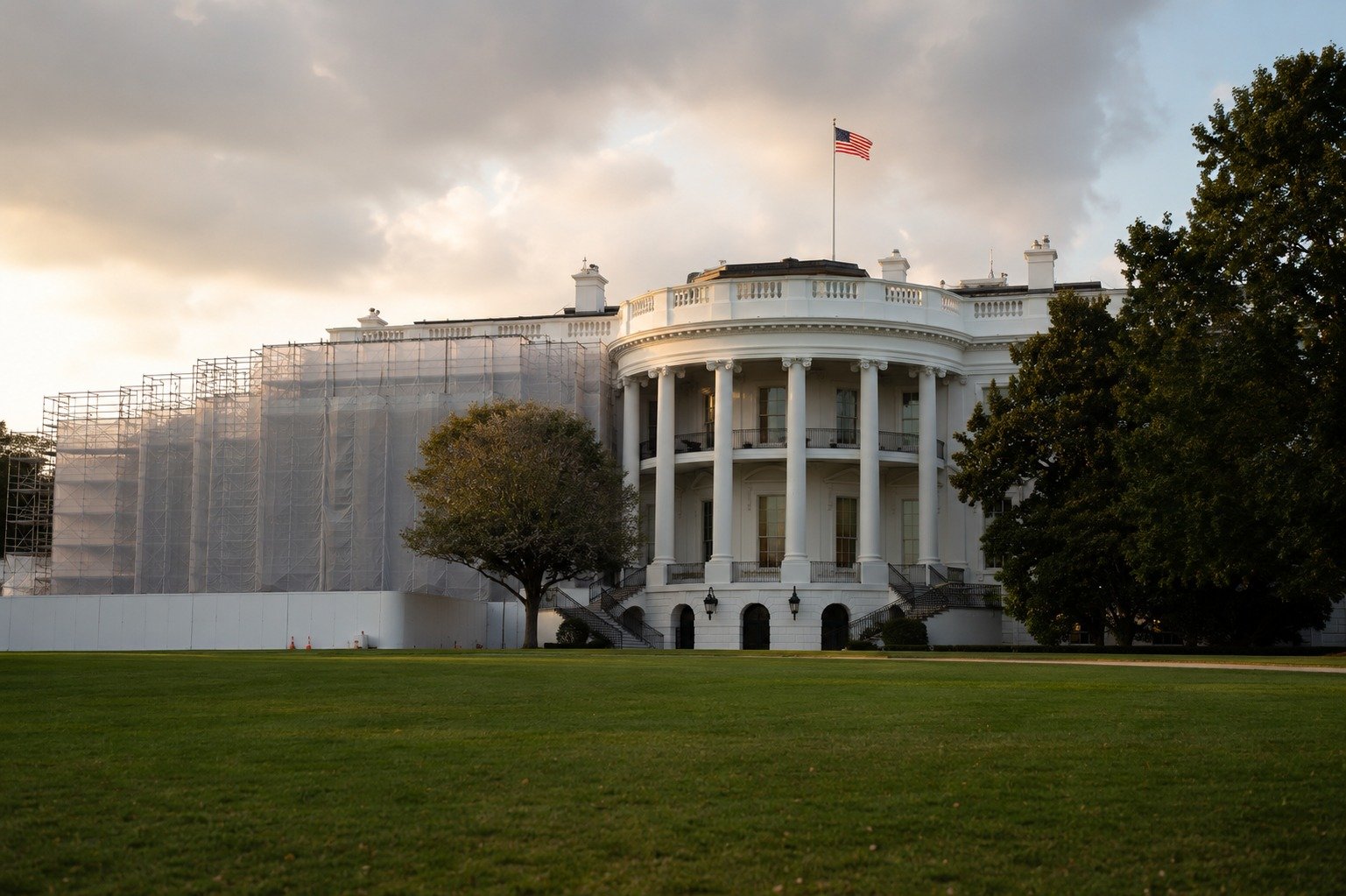
Senate Republicans have done something that has become increasingly rare in Washington: they told President Donald Trump no. On June 3, 2026, GOP senators stripped up to $1 billion in security funding for the president’s new White House ballroom out of a sweeping budget and immigration enforcement bill, moving over Trump’s direct objections to pull the money for one of his signature construction projects.
The decision marks an unusual moment of fiscal independence from a party that has, for the most part, fallen in line behind the president. And it came not from Democrats, but from inside Trump’s own Republican conference.
What Happened
The funding was attached to a major piece of legislation built primarily around budget priorities and immigration enforcement – the kind of spending the administration has fought for aggressively. Tucked inside was up to $1 billion earmarked for security around the president’s planned White House ballroom, a luxury addition that has drawn scrutiny for its cost and its priority status amid broader spending fights.
When the bill came together, Republican senators decided the ballroom money didn’t belong in it. They stripped the provision out, removing the security funding even as the president pushed to keep it. According to reporting from CNN, Bloomberg, The Hill, and CNBC, the move was a deliberate rejection of one of Trump’s personal priorities.
Four Republicans Who Said No
Four Republican senators went public with their opposition: Bill Cassidy of Louisiana, Susan Collins of Maine, Lisa Murkowski of Alaska, and Thom Tillis of North Carolina. In a Senate where breaking with the president often carries political consequences – primary threats, loss of committee influence, public attacks – all four were willing to put their names on the record.
Their message was straightforward: a billion-dollar ballroom was not a defensible use of taxpayer money, especially folded into a bill meant to address far more pressing national priorities. For Collins and Murkowski, both of whom have a history of occasional independence, the stance was perhaps less surprising. For Cassidy and Tillis, it signaled that discomfort with the spending stretched beyond the usual handful of GOP holdouts.
The Timing That’s Hard to Ignore
The contrast at the heart of this story is what makes it land. The same bill was constructed to pour resources into immigration enforcement – a cause the administration treats as urgent and non-negotiable. Yet when the request shifted to a luxury ballroom at the White House, even Republicans balked.
That tension – aggressive spending for the administration’s enforcement agenda, but a hard stop at a presidential vanity project – is exactly the kind of line that gets noticed by voters watching how their money is spent. It suggests that there are limits, even among allies, to how far public funds will stretch to accommodate the president’s personal ambitions.
What This Means for Americans
For ordinary taxpayers, the episode is a reminder that spending decisions in Washington are not automatic – and that pushback can come from unexpected places. A billion dollars is real money, the kind that funds schools, roads, and services. When senators from the president’s own party decide a project isn’t worth that price tag, it reflects a calculation about what the public will tolerate.
The fight may not be over. Funding stripped from one version of a bill can sometimes find its way back in through later negotiations or separate legislation before everything is finalized. The question now is whether this rare moment of fiscal pushback holds – or whether the ballroom money quietly reappears before the bill becomes law.
Stay informed on the stories that matter most. Follow Your Daily Updates on Facebook and bookmark yourdailyupdates.news for breaking news and analysis.