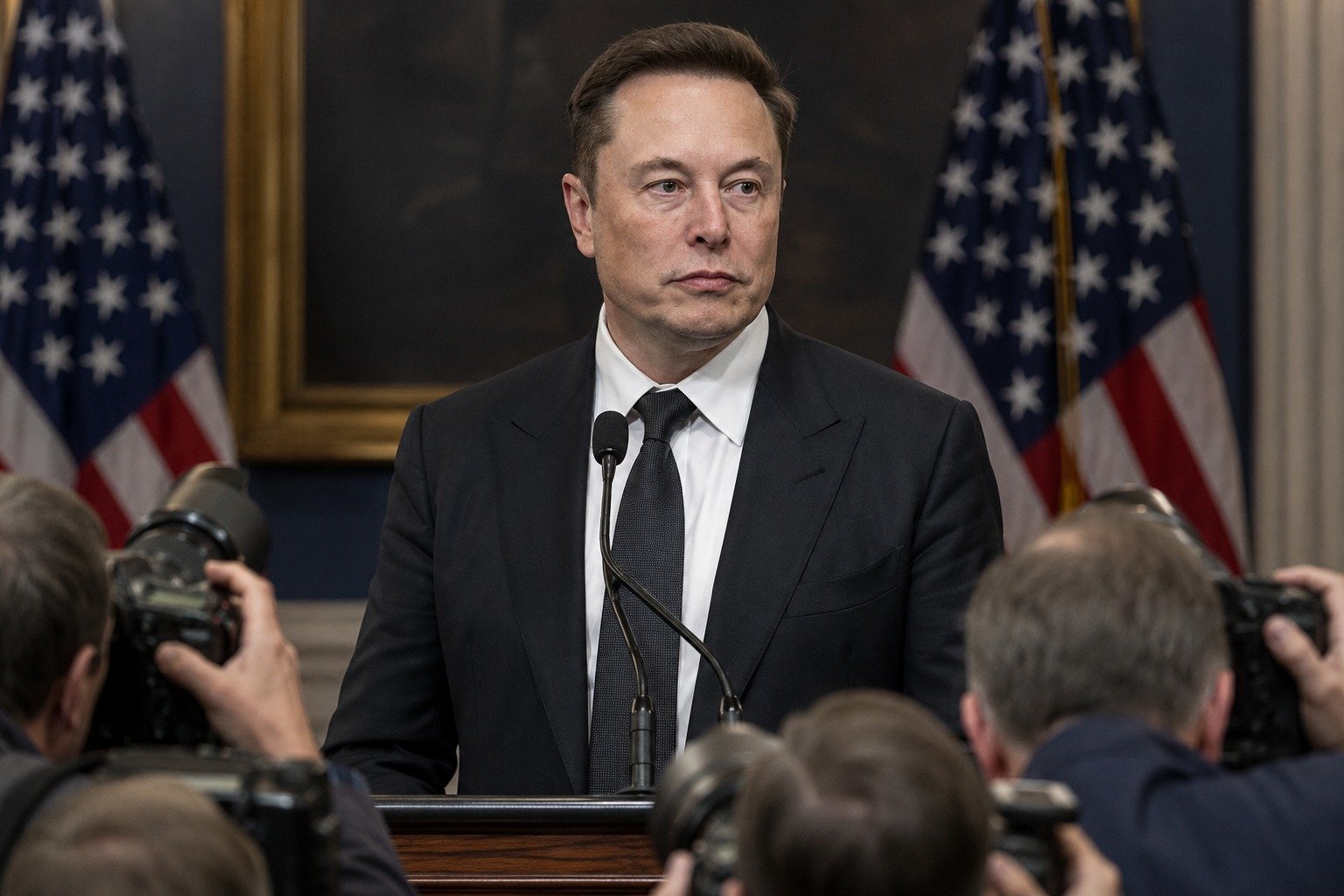
Sen. Bernie Sanders and Rep. Summer Lee have introduced legislation that would cap how much any single person can contribute to a super PAC at $5,000 — a limit supporters say would effectively end super PACs as a force in American elections. The bill, called the Abolish Super PACs Act, was unveiled with 17 House cosponsors and arrives amid growing alarm over the scale of billionaire spending in recent campaigns.
What The Bill Actually Does
One detail is critical to understand, because it is widely misstated: the bill does not cap a person’s total election spending at $5,000. It caps how much an individual can give to a super PAC. Super PACs are the outside groups that, under current law, can raise and spend unlimited amounts of money to support or attack candidates, so long as they do not coordinate directly with a campaign.
By limiting individual contributions to those groups to $5,000, the legislation would strip super PACs of their defining feature — the ability to absorb seven- and eight-figure checks from a single donor. Sponsors argue that without those mega-donations, super PACs would effectively cease to function as vehicles for concentrated wealth to shape elections.
The Numbers Driving The Debate
The push is fueled by figures that have become hard to ignore. In 2024, Elon Musk spent at least $290 million to help elect Donald Trump, making him one of the single largest political donors in modern American history. Across the broader landscape, the 100 richest billionaire families poured a combined $2.6 billion into federal elections.
Sanders and Lee argue that spending at that level allows a small number of billionaires to drown out the voices of ordinary voters. For them, the case is straightforward: when a handful of individuals can each spend more than entire state party operations, the balance of political influence tilts decisively toward the wealthy.
Who Is Behind It
The Abolish Super PACs Act was introduced with 17 House cosponsors, including Reps. Ro Khanna, Jim McGovern, and Pramila Jayapal among the original co-leads. The bill has also drawn endorsements from a range of advocacy organizations focused on campaign finance and democracy reform.
Supporters frame the measure as a way to restore power to ordinary voters and curb the influence of so-called dark money — political spending whose ultimate sources can be difficult to trace. They contend that the current system has eroded public trust by making elected officials appear beholden to their largest financial backers rather than their constituents.
The Free-Speech Objection
Critics see the proposal very differently. Free-speech advocates and First Amendment groups argue that political spending is a form of protected speech. They point to the Supreme Court’s landmark Citizens United decision, which held that the government cannot restrict independent political expenditures by corporations, unions, and individuals.
Under that legal framework, opponents warn, capping contributions to super PACs could face serious constitutional challenges and may not survive judicial review. They argue that limiting how much someone can spend to express political views — even through an outside group — runs headlong into decades of First Amendment jurisprudence. The clash sets up a familiar but unresolved question at the heart of American democracy: where does the right to spend on speech end, and the public’s interest in fair elections begin?
What This Means For Americans
For everyday voters, the fight is about whose voice carries weight in elections. If the bill became law, the political map could shift away from a handful of mega-donors and back toward a broader base of small contributors. If it fails — or is struck down in court — the era of billion-dollar billionaire spending would continue unchallenged. Either way, the outcome would shape how campaigns are funded for years to come.
Stay informed on the stories that matter most. Follow Your Daily Updates on Facebook and bookmark yourdailyupdates.news for breaking news and analysis.