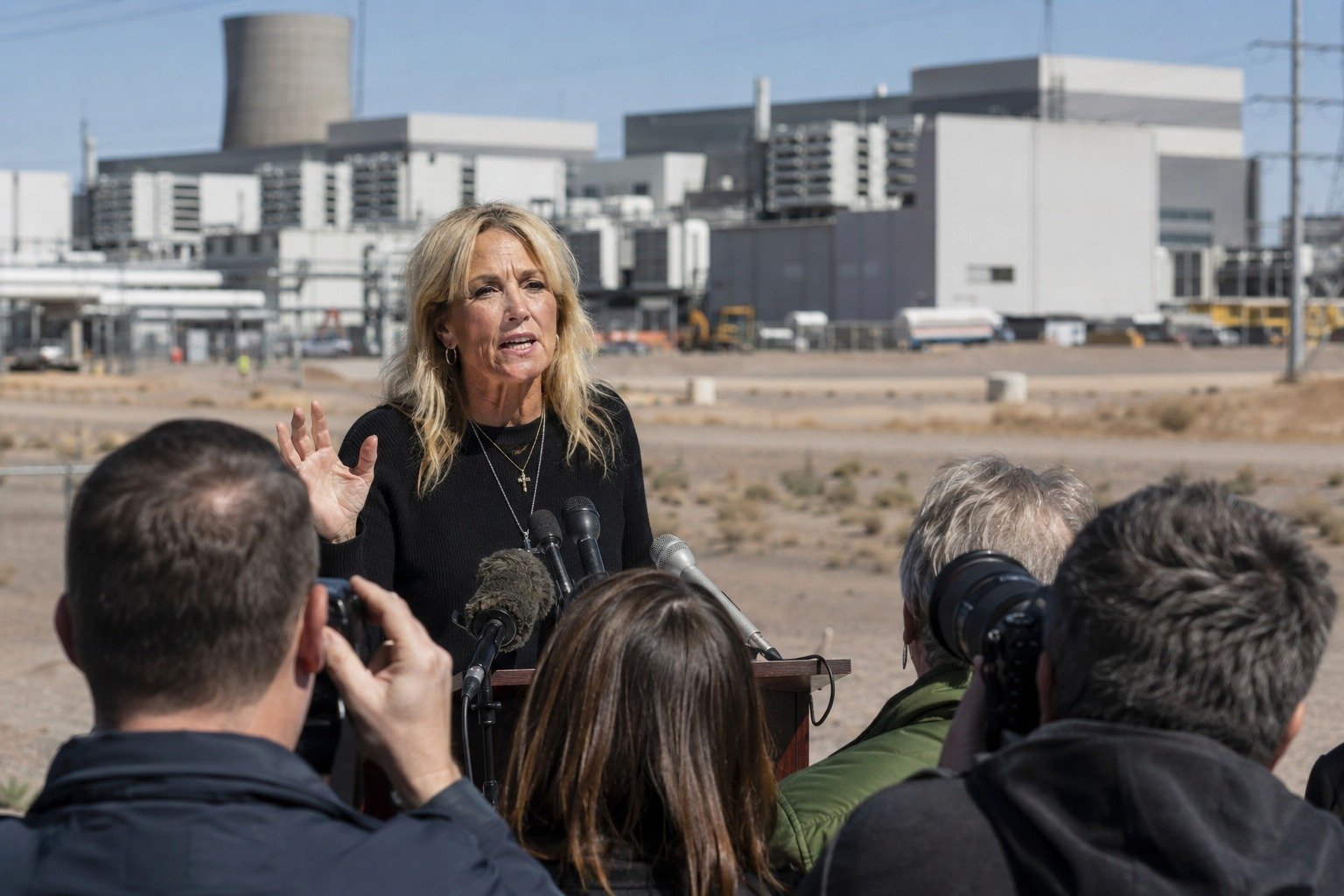
Erin Brockovich built her name fighting for communities poisoned by contaminated water. Now the famed environmental advocate has turned her attention to one of the fastest-growing pieces of American infrastructure: the AI data centers rising across the country. She has launched a public, crowdsourced map that invites residents to report the massive facilities going up near their homes – and the response has been overwhelming.
The project, hosted at brockovichdatacenter.com, lets anyone flag a data center in their area and describe the problems they are experiencing. Thousands of community reports have already come in from nearly every state, turning a scattered set of local complaints into a single national picture of where these facilities are landing and what they are doing to the neighborhoods around them.
Why The Map Matters
The artificial intelligence boom runs on physical hardware. Every chatbot query, image generator, and AI model lives inside enormous server farms that require staggering amounts of electricity and water to operate. As tech giants race to build more of them, the facilities are appearing in rural towns and suburban edges where residents often have little warning and even less information.
That information gap is exactly what Brockovich set out to close. Before the map existed, a homeowner watching trucks break ground on a windowless warehouse down the road had no easy way to learn what it was, who approved it, or whether other communities were dealing with the same thing. The map gives them a place to document what they see and connect their experience to a much larger pattern.
The Concerns Pouring In
The single biggest worry, by a wide margin, is water. Large data centers can consume millions of gallons a day to cool their equipment – some of the biggest use up to five million gallons daily, roughly the amount used by a town of tens of thousands of people. In hotter, drier regions like the Southwest, that demand collides directly with communities already stretched thin by drought.
Right behind water came electricity. These facilities draw enormous, constant power, and residents fear the strain on local grids could drive up their own utility bills or threaten reliability. Others have flagged the relentless noise from cooling systems and backup generators that hum around the clock, along with broader questions about health, wildlife, and the long-term footprint of building so much energy-hungry infrastructure so quickly.
Two Sides Of The Buildout
Supporters of the data center expansion argue the facilities are a foundation of the modern economy. They bring construction jobs, generate property tax revenue for local governments, and provide the computing backbone for the technology that increasingly powers everyday life. To them, the buildout is a sign of economic investment and a race the United States cannot afford to lose.
Brockovich and the residents filling in her map see a different problem. Her core complaint is not about technology itself but about process – the way these deals are often negotiated quietly, with tax incentives and approvals locked in before the public has a real chance to weigh in. By the time many residents find out, she argues, the ground has already been broken and the leverage is gone.
What This Means For Americans
For millions of people, the AI revolution has felt like something happening on a screen. The data center map makes it physical. It raises a direct question for any community: when a facility that drinks millions of gallons of water and consumes a small city’s worth of power wants to move in next door, who gets a say, and how early? As the buildout accelerates, that fight over transparency and local control is only going to grow louder.
Stay informed on the stories that matter most. Follow Your Daily Updates on Facebook and bookmark yourdailyupdates.news for breaking news and analysis.