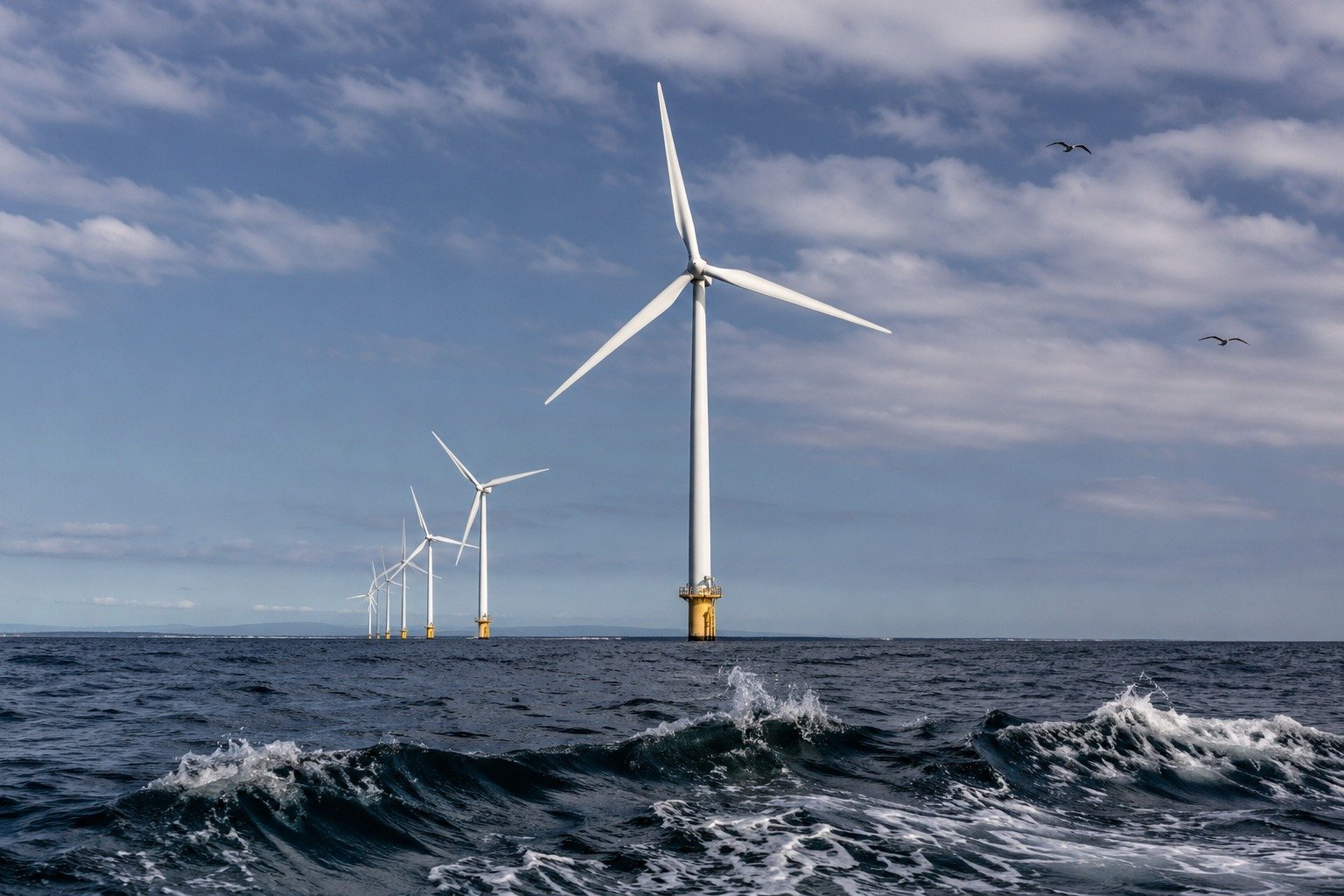
Seven Democratic-led states have taken the Trump administration to federal court over a nearly billion-dollar arrangement that killed a major offshore wind project planned off the coast of New York. The lawsuit, filed this week, asks a judge to throw out the deal and revive a project that supporters say was years in the making.
New York is leading the charge, joined by New Jersey, Connecticut, Massachusetts, Maine, Rhode Island, and Vermont. Together, the seven states argue the federal government short-circuited the law when it walked away from the lease.
How the Deal Came Together
The roots of the dispute go back to 2022. That year, French energy giant TotalEnergies paid the federal government $928 million for a lease to build two offshore wind farms — one off the coast of New York and another off North Carolina. The leases were granted under the previous administration as part of a broader push to expand offshore wind along the Atlantic seaboard.
For four years, the project moved forward. Permitting advanced, planning continued, and the developers began laying the groundwork for construction. Offshore wind had become a centerpiece of clean-energy strategy across the Northeast, with several states banking on the projects to meet renewable energy targets and create jobs.
The Cancellation
In March 2026, the Trump administration moved to cancel both leases. What made the move unusual was the mechanism: under a first-of-its-kind arrangement, the federal government refunded TotalEnergies the full $928 million — on the condition that the company reinvest the money into oil and gas projects instead of offshore wind.
For the administration, the decision fit a broader agenda of pulling back from offshore wind and refocusing on domestic fossil fuel production. For the states now suing, it represented a costly reversal that erased years of planning and investment with the stroke of a pen.
The Legal Argument
The heart of the lawsuit is procedural. The attorneys general say federal law — specifically the Outer Continental Shelf Lands Act — sets out a strict process the Interior Department must follow before terminating an offshore lease. That process is not optional.
Under the statute, the states argue, the Interior Department must hold a formal hearing. It must make a specific finding that continuing the lease would seriously threaten life, property, national security, or the environment. And it must determine that the benefits of cancellation outweigh the benefits of letting the lease continue. According to the lawsuit, none of those steps happened. Instead, the states contend, the administration simply struck a deal and refunded the money, bypassing the legal requirements entirely.
The states are asking the court to vacate the refund-and-reinvest arrangement and effectively reinstate the lease, allowing the offshore wind project to proceed.
Two Sides of the Fight
Supporters of the cancellation see it as the administration delivering on a campaign promise to step back from offshore wind and prioritize traditional energy. They argue the executive branch has wide latitude to set energy policy and reverse decisions made by a prior administration.
Critics counter that the deal was an end-run around the law — one that torched years of planning, threatened clean-energy jobs, and set a precedent for unwinding federal leases without following the required process. The coalition of states says allowing the cancellation to stand would leave any future energy project vulnerable to being scrapped at will.
What This Means for Americans
Beyond the legal technicalities, the case touches on questions that affect everyday Americans: how the country generates its power, how much process the government must follow before reversing major decisions, and who ultimately decides the direction of national energy policy. For residents of the Northeast in particular, the outcome could determine whether a planned source of electricity and jobs moves forward or disappears. A federal court will now decide whether the deal stands — or gets unwound.
Stay informed on the stories that matter most. Follow Your Daily Updates on Facebook and bookmark yourdailyupdates.news for breaking news and analysis.