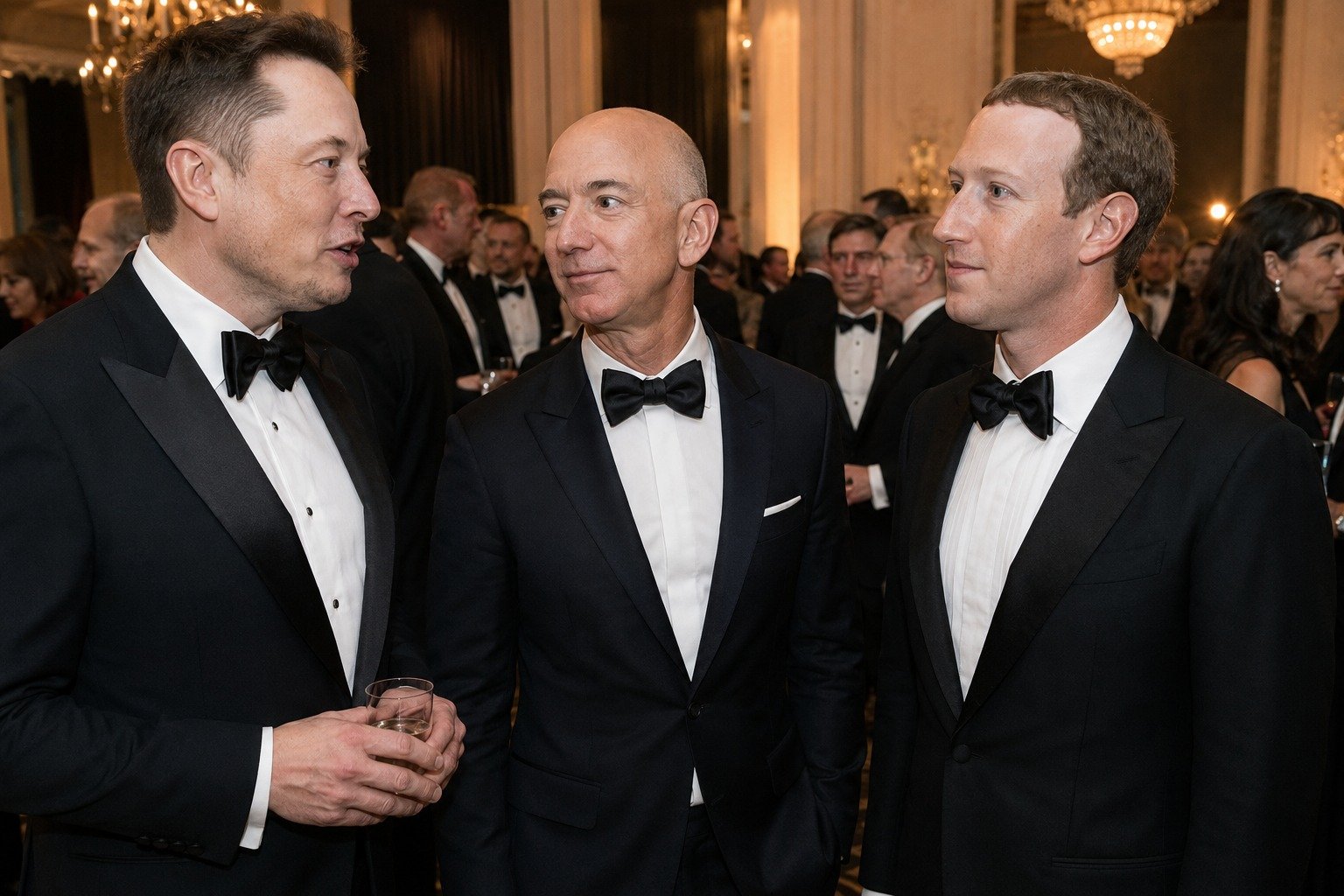
Across much of the democratic world, the rules governing who can fund an election look nothing like the system Americans live under. In France, corporations are barred outright from donating to political campaigns, and individual contributions are tightly capped. In Canada, a single donor can give only a few thousand dollars a year, and corporate and union money is effectively shut out. South Korea, Belgium, and a number of other nations have built similar walls around their politics. The United States has gone in the opposite direction – and the contrast has reignited a question Americans keep returning to: should there be a limit on how much the wealthy and corporations can pour into elections?
Two Very Different Models
The logic behind strict donation caps abroad is straightforward. The idea is that no single billionaire, corporation, or special interest should be able to outspend millions of ordinary voters combined. By capping what any one person or entity can give, those countries aim to keep political influence spread across the electorate rather than concentrated among a handful of mega-donors.
France’s modern restrictions trace back to reforms enacted in the 1990s, when the country banned corporate donations to campaigns following a series of financing scandals. Canada layered on its own tight limits over the following decades. The result, supporters argue, is a system where candidates spend less time courting wealthy patrons and more time talking to voters.
How America Took the Other Path
The defining moment for the U.S. system came in 2010, when the Supreme Court handed down its decision in Citizens United v. FEC. The ruling held that the government could not restrict independent political spending by corporations, unions, and outside groups, on the grounds that such spending is a form of protected free speech.
The practical effect was enormous. The decision opened the door to super PACs – political action committees that can raise and spend unlimited sums to support or oppose candidates, so long as they do not coordinate directly with a campaign. Since then, total political spending has climbed steeply with each election cycle, and a relatively small number of wealthy donors have come to play an outsized role in shaping which candidates rise and which fade.
It is worth noting that the picture is not uniform across the country. A handful of states – including Colorado, Michigan, Minnesota, and Montana – still prohibit direct corporate contributions to candidates at the state level. But at the federal level, the floodgates opened by Citizens United remain wide.
The Debate at the Heart of It
Supporters of the American approach frame it as a matter of liberty. In their view, spending money to back the candidates and causes you believe in is itself an expression of free speech, and the government has no business deciding how much political speech is too much. Restricting donations, they argue, hands incumbents and the government a tool to silence critics.
Critics see it differently. They argue that when political spending is unlimited, the loudest megaphone goes to whoever has the deepest pockets – drowning out the voices of ordinary citizens who cannot write seven-figure checks. From that vantage point, the donation caps used abroad are not censorship but a way of keeping the playing field level so that one vote means roughly the same as the next.
What This Means for Americans
For everyday voters, the stakes are concrete. The amount of money flowing into a race shapes which ads you see, which issues get airtime, and which candidates have the resources to compete at all. Whether you view the current system as a defense of free expression or a tilt toward the wealthy, it directly affects the choices on your ballot and the priorities of the people who win. That is why the question keeps resurfacing – and why other democracies’ very different choices are worth a hard look.
Stay informed on the stories that matter most. Follow Your Daily Updates on Facebook and bookmark yourdailyupdates.news for breaking news and analysis.