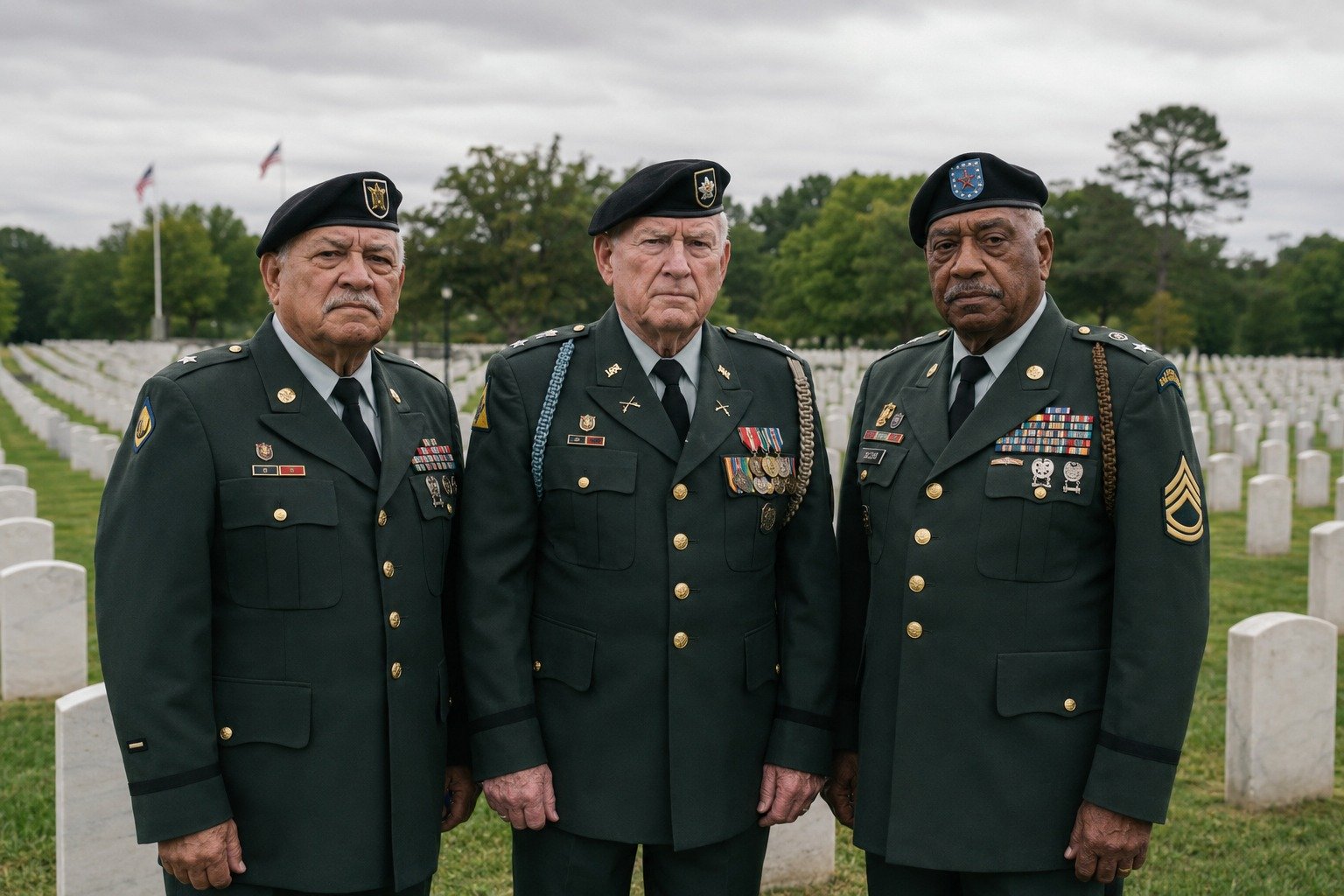
A group of Vietnam War veterans has taken an extraordinary step to stop a monument before construction can begin: they have filed a federal lawsuit. Joined by a retired architectural historian, the veterans are asking a federal judge to block a planned 250-foot “Independence Arch” near Arlington National Cemetery, arguing the project skipped the legal approvals the law requires.
The suit was filed in the U.S. District Court for the District of Columbia. The veterans are represented by Public Citizen Litigation Group, and their challenge targets one of the most ambitious monument proposals Washington has seen in decades.
A Monument Twice the Height of the Lincoln Memorial
The structure at the center of the case is a triumphal arch championed by President Trump and planned for Memorial Circle, near the entrance to Arlington National Cemetery. At 250 feet, it would stand more than twice the height of the Lincoln Memorial – a scale that would make it one of the most dominant features of the capital’s monumental core.
Location is a central part of the dispute. The arch would sit directly on the ceremonial axis that runs between the Lincoln Memorial and Arlington House, the historic mansion overlooking the cemetery. That sightline was designed to evoke national unity in the years after the Civil War, and the plaintiffs argue that dropping a tower of that size onto it would permanently alter one of the most symbolically charged views in the country.
The Core Argument: Approvals That Were Never Given
While the visual impact is part of the story, the legal heart of the lawsuit is about process. The plaintiffs say the project moved ahead without completing approvals and reviews that federal law mandates for major construction on public land in Washington.
Specifically, the suit alleges violations of the Commemorative Works Act, which generally requires authorization from Congress before a memorial can be built on federal land in the capital. It also cites the National Environmental Policy Act, which requires environmental review of major federal projects, and the National Historic Preservation Act, which governs how projects affect historic sites and landscapes. The veterans argue that none of those required steps were properly satisfied before the project advanced.
Approved by One Commission, but Not Yet Cleared
The project has cleared at least one hurdle. The U.S. Commission of Fine Arts, which reviews the design of structures in Washington, signed off on the arch – and it did so despite significant public opposition. But that approval alone does not green-light construction. Additional federal approvals are still required before any work can begin, and the lawsuit aims to halt the process before those final sign-offs are secured.
The plaintiffs have also raised a practical safety concern that has little to do with history or aesthetics. They warn that a structure of this height in this location could pose a hazard to air traffic near Ronald Reagan Washington National Airport, which sits just across the Potomac River.
Why Veterans Are Leading the Fight
That Vietnam veterans are the ones bringing this challenge gives the case unusual weight. Arlington National Cemetery is the final resting place for hundreds of thousands of service members, and the ground around it carries deep meaning for those who served. The veterans frame their objection not as opposition to honoring the country, but as a defense of the laws and the landscape that surround one of the nation’s most sacred sites.
Supporters of the arch see it as a bold, patriotic addition to the capital. Critics, including the plaintiffs, view it as a project pushed forward too quickly, bypassing the safeguards that exist precisely to slow down permanent changes to shared national space. Now a federal judge will weigh those competing arguments and decide whether the project moves forward or stops cold.
What This Means for Americans
This case is bigger than a single monument. It tests whether the legal rules governing federal land – rules meant to give the public a voice before permanent structures go up – will be enforced. The outcome could shape how future projects near landmarks like Arlington are reviewed, and whether one administration can fast-track a monument over the objections of veterans and the public alike.
Stay informed on the stories that matter most. Follow Your Daily Updates on Facebook and bookmark yourdailyupdates.news for breaking news and analysis.