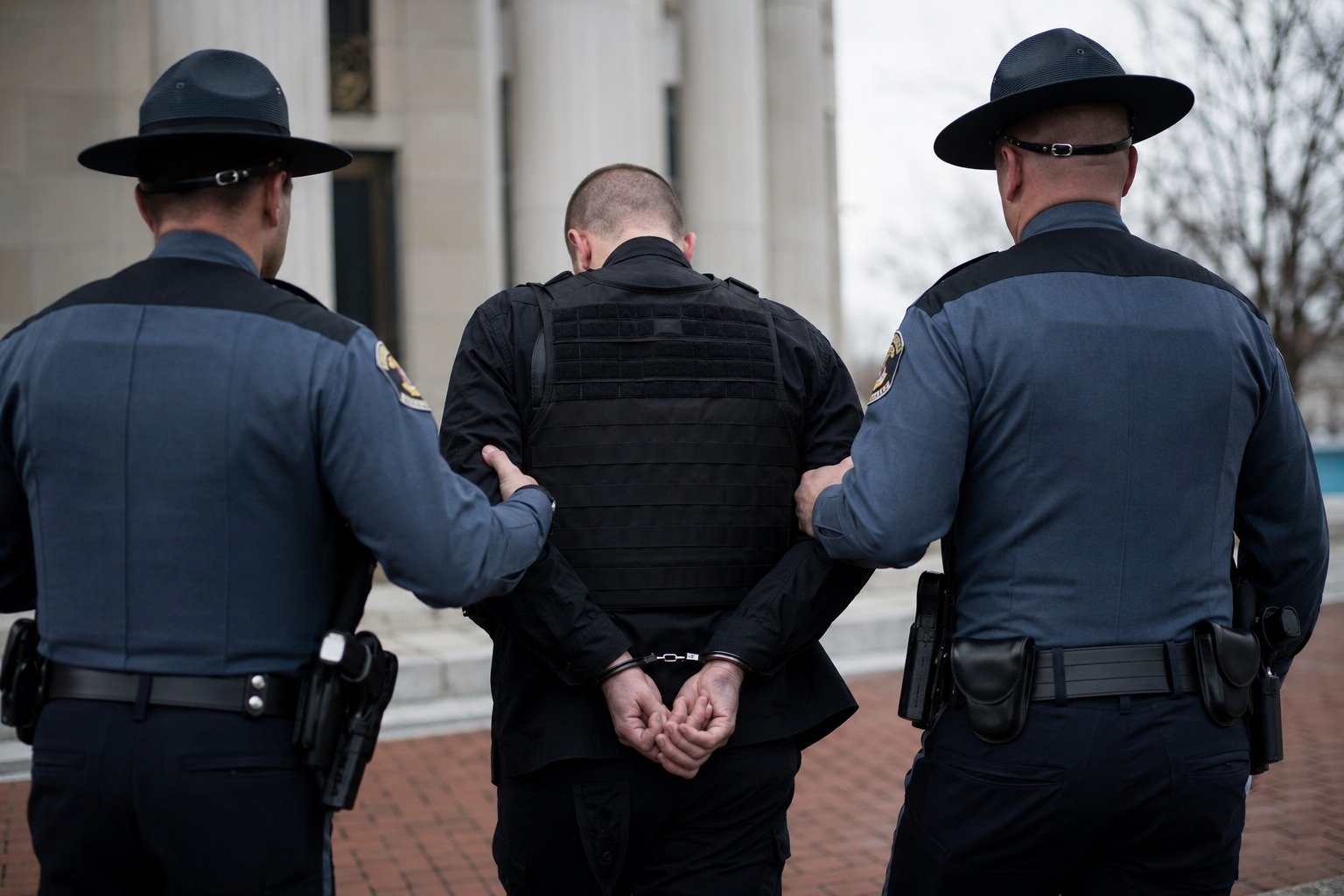
Texas Rangers arrested a U.S. Immigration and Customs Enforcement officer in South Texas on Friday, taking a sitting federal agent into custody over the shooting of a Venezuelan man during an immigration operation in Minneapolis earlier this year. The arrest, carried out by state investigators rather than federal authorities, has drawn national attention to the question of who polices the people enforcing immigration law.
The agent, identified as Christian Castro, 52, faces five counts, including second-degree assault and filing a false police report, according to charging documents. Prosecutors allege that Castro fired through the closed front door of a residence in January and struck a man in the leg. Castro has not been convicted of any crime, and the counts against him remain allegations that he is entitled to contest in court.
What Investigators Say Happened
The shooting took place during what officials described as Operation Metro Surge, a large-scale immigration enforcement campaign in the Minneapolis area. According to investigators, a Venezuelan man led Castro and three other ICE agents on a vehicle chase that ended at his home. The man later told state investigators that he fled because the agents were traveling in an unmarked vehicle, and he did not know who was pursuing him.
The man managed to get inside the house, where he lived with several other adults and children, before the gunfire erupted. Prosecutors allege Castro then fired through the closed front door, wounding the man in the leg. State authorities, not the federal government, opened the investigation that led to Friday’s arrest.
The Account That Allegedly Unraveled
At the center of the case is the gap prosecutors say exists between Castro’s account and the available evidence. According to investigators, Castro claimed he opened fire from the ground in self-defense after being beaten with a shovel and a broom. But prosecutors say video evidence contradicted that version of events.
Investigators reported that the only injury found on Castro was a small abrasion on his hand, and said there was no indication the tools he described were used as weapons against him. That alleged mismatch between the agent’s report and the physical and video evidence is what underpins the false-police-report charge. Again, these are allegations, and Castro will have the opportunity to present his own evidence and witnesses.
Reactions and the Bigger Debate
The case has landed in the middle of a tense national conversation about immigration enforcement and accountability. For some, the arrest is proof that the system can work, that state law enforcement is willing to hold a federal officer to the same standard as anyone else. For others, it raises uncomfortable questions about oversight of aggressive enforcement operations and the use of unmarked vehicles and plainclothes tactics.
What makes this story cut across the usual political lines is the core principle at stake: when an official report and the recorded evidence do not match, someone has to sort out the truth. Supporters of strong immigration enforcement and critics of it can both agree that a sworn officer should be held to an honest account of what happened. That shared expectation is why this case resonates well beyond the immigration debate.
What This Means for Americans
For ordinary people, the case touches something basic: the trust that the people with badges and guns will tell the truth about how they use them. A federal agent being arrested by state officers is rare, and the outcome could shape how future complaints against immigration officers are handled. It also underscores how much weight body cameras, door cameras, and other recordings now carry when an official account is challenged.
Stay informed on the stories that matter most. Follow Your Daily Updates on Facebook and bookmark yourdailyupdates.news for breaking news and analysis.