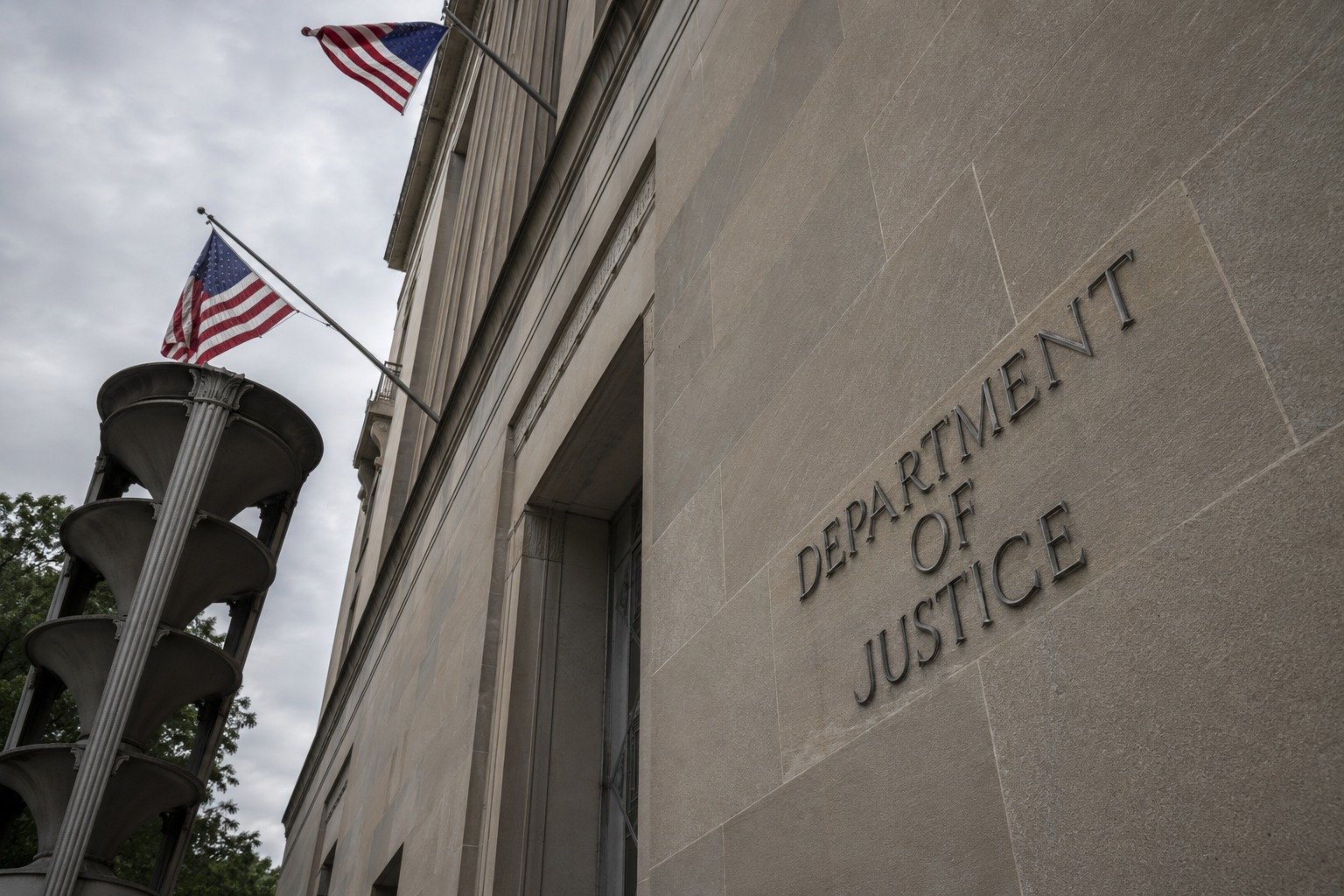
The Department of Justice has scrubbed hundreds of press releases about January 6th prosecutions from its own website — and it wasn’t done quietly. When a journalist flagged the deletions over the weekend, the DOJ’s rapid response account fired back: “Nothing quiet about it.” The department said it was “proud to reverse the DOJ’s weaponization under the Biden administration” and called the records “partisan propaganda.”
Gone from the site are press releases documenting criminal charges, guilty pleas, convictions, and sentencing across more than 1,200 January 6th cases. Among the deleted entries: announcements tied to seditious conspiracy cases against Proud Boys and Oath Keepers members — some of the most significant domestic extremism prosecutions in decades.
The timing wasn’t coincidental. A federal appeals court this week vacated the seditious conspiracy convictions at the DOJ’s own request. Hours later, the department moved to formally dismiss those cases entirely. Defendants who had been convicted of plotting to disrupt Congress on January 6th are now having those convictions wiped off the books.
The Justice Department’s decision to delete its own prosecution records is drawing sharp reactions from legal observers and former federal prosecutors. Press releases documenting criminal cases are part of the official public record — a transparency mechanism that allows citizens, journalists, and researchers to track how the government uses its prosecutorial power. Removing them wholesale from a government website is, according to former DOJ officials, without modern precedent.
The DOJ also announced the creation of a nearly $1.8 billion “anti-weaponization fund” — money that will be paid out to individuals who claim they were wrongfully prosecuted by the government. Critics say the fund effectively rewards people convicted of violence at the Capitol. Supporters argue it corrects what they say was politically motivated overreach by the previous administration.
The legal landscape for January 6th defendants is shifting rapidly. Beyond the seditious conspiracy cases, the broader question of how these prosecutions will be treated going forward remains unsettled. With the DOJ now actively dismissing cases and the administration calling prior prosecutions politically motivated, defendants still in proceedings face a fundamentally different legal environment than when they were originally charged.
Whether you see this as a necessary correction or a dangerous erasure of the historical record depends entirely on which side of the debate you’re on. What’s not debatable: a sitting administration just deleted its own department’s official prosecution records and called them propaganda. That’s a move with no modern precedent — and one that will likely be studied by legal scholars and historians for years to come.