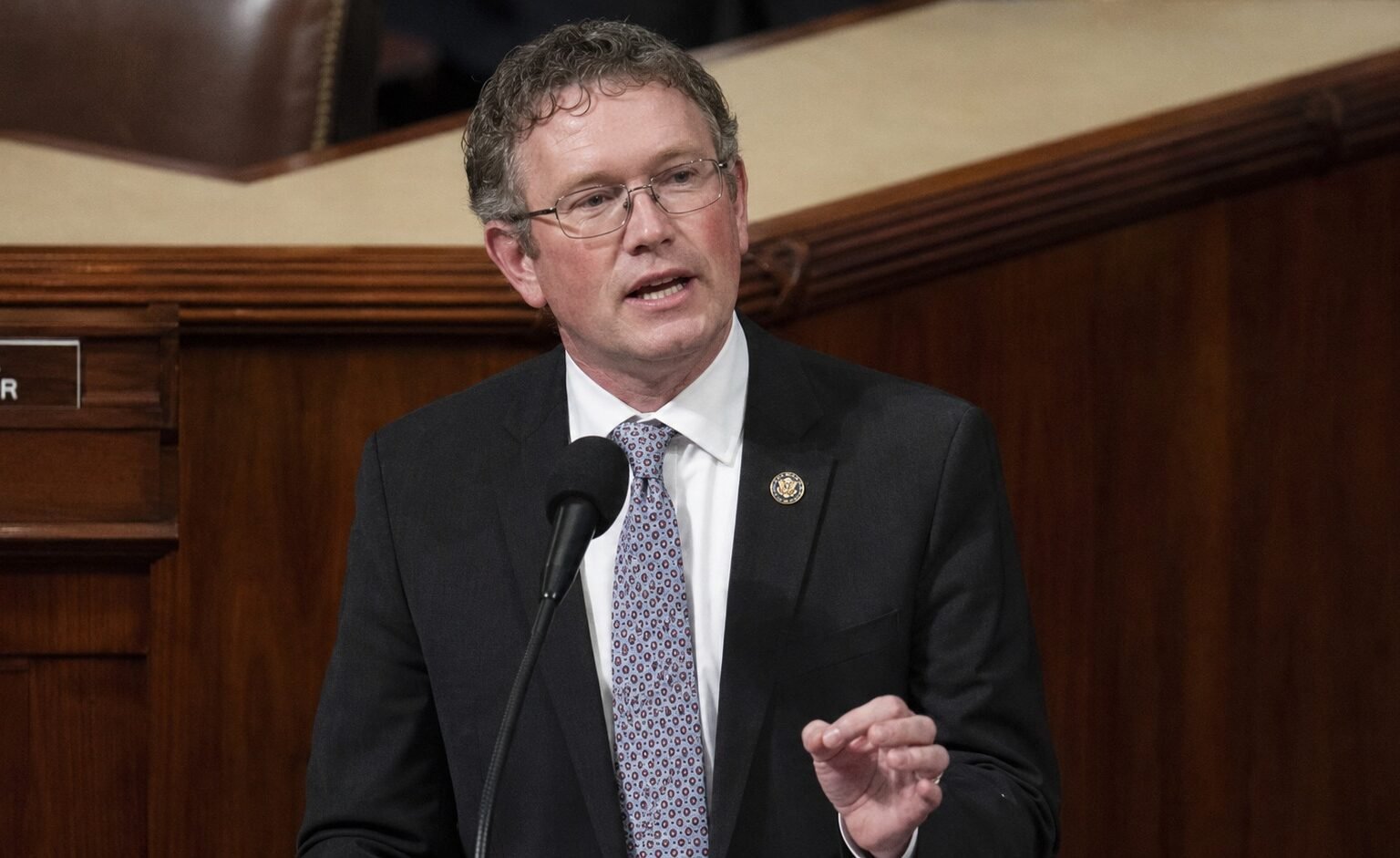
Rep. Thomas Massie lost his Republican primary on May 19, defeated by challenger Ed Gallrein in what became the most expensive House primary in U.S. history. But the Kentucky congressman isn’t heading for the exit quietly. He’s signaling that his final seven months in Congress will be defined by one mission: using the House floor to publicly name every billionaire and public figure still hidden behind federal redactions in the Jeffrey Epstein investigative files.
The Vow: More Names Are Coming
Speaking publicly after his primary loss, Massie made clear he intends to use the constitutional protection of the Speech or Debate Clause to continue naming names directly from the House floor before his term ends in January 2027. The Speech or Debate Clause is a bedrock constitutional safeguard that shields members of Congress from criminal or civil liability for statements made during official legislative proceedings — meaning no court, no prosecutor, and no presidential administration can touch him for what he says at that microphone.
He’s already named three: Leon Black, the billionaire former CEO of Apollo Global Management; Jes Staley, the former chief executive of Barclays Bank; and Leslie Wexner, the billionaire founder of L Brands and Victoria’s Secret. Massie says those three were only the beginning. He has reviewed unredacted Epstein documents and says at least six individuals appear “likely incriminated” by the evidence — but federal prosecutors blacked out their names with no explanation. He intends to say those names aloud in Congress before he leaves.
The DOJ’s Compliance Problem
At the center of Massie’s escalating fight is the bipartisan Epstein Files Transparency Act, legislation he co-authored alongside Rep. Ro Khanna (D-CA). The law was designed to compel the Department of Justice to release the full Epstein investigative file to the public. Massie says Acting Attorney General Todd Blanche has failed to comply — millions of documents that should be released under the law’s provisions remain withheld from public view.
He’s gone further than a compliance complaint. Massie has publicly accused both Blanche and Kash Patel of perjuring themselves in congressional testimony about the Epstein files — a charge that has drawn scrutiny from members of both parties. No formal perjury referral has been announced, but Massie’s accusations, made with the same Speech or Debate protections he plans to use for future disclosures, carry significant political weight as his final months unfold.
Why the Primary Loss May Accelerate the Disclosures
Massie’s May 19 defeat to Gallrein — backed by Trump and his political operation — paradoxically frees him from the electoral calculus that shapes most congressional behavior. He no longer needs to fundraise, court donors, or worry about primary challengers. Allies and political observers across the spectrum have noted that a congressman in his final term, with nothing to lose politically and constitutional immunity from prosecution, is uniquely positioned to do exactly what Massie is describing: name names that powerful people want kept quiet.
No charges have been filed against any of the three men Massie previously named on the House floor. Jes Staley has denied wrongdoing. Leon Black and Leslie Wexner have not been charged with any crime related to Epstein. But the act of naming them in Congress — under constitutional immunity, in the official record — is unlike any other accountability mechanism currently in motion on the Epstein case. It puts the names in the Congressional Record and in front of the American public regardless of what federal prosecutors do or don’t do.
What Comes Next
Massie has signaled that Epstein survivors are working to compile a list of names for him to read. He’s indicated he will read whatever verified names are provided to him, with Ro Khanna also expressing willingness to assist with the transparency push — though Khanna has said such extreme measures shouldn’t be necessary if the DOJ simply complied with the law. Whether additional disclosures come in weeks or months, Massie has made clear the Epstein files will be a defining thread of his remaining time in office.
What This Means for Americans
The Epstein files have been a source of intense public demand for transparency for years. Despite repeated promises from multiple administrations, millions of documents remain withheld. Massie’s floor disclosures — past and future — represent one of the few concrete mechanisms forcing those names into the public record. Whether you agree with his methods or not, the next seven months of his congressional term may produce revelations that federal prosecutors have refused to release on their own.
Stay informed on the stories that matter most. Follow Your Daily Updates on Facebook and bookmark yourdailyupdates.news for breaking news and analysis.