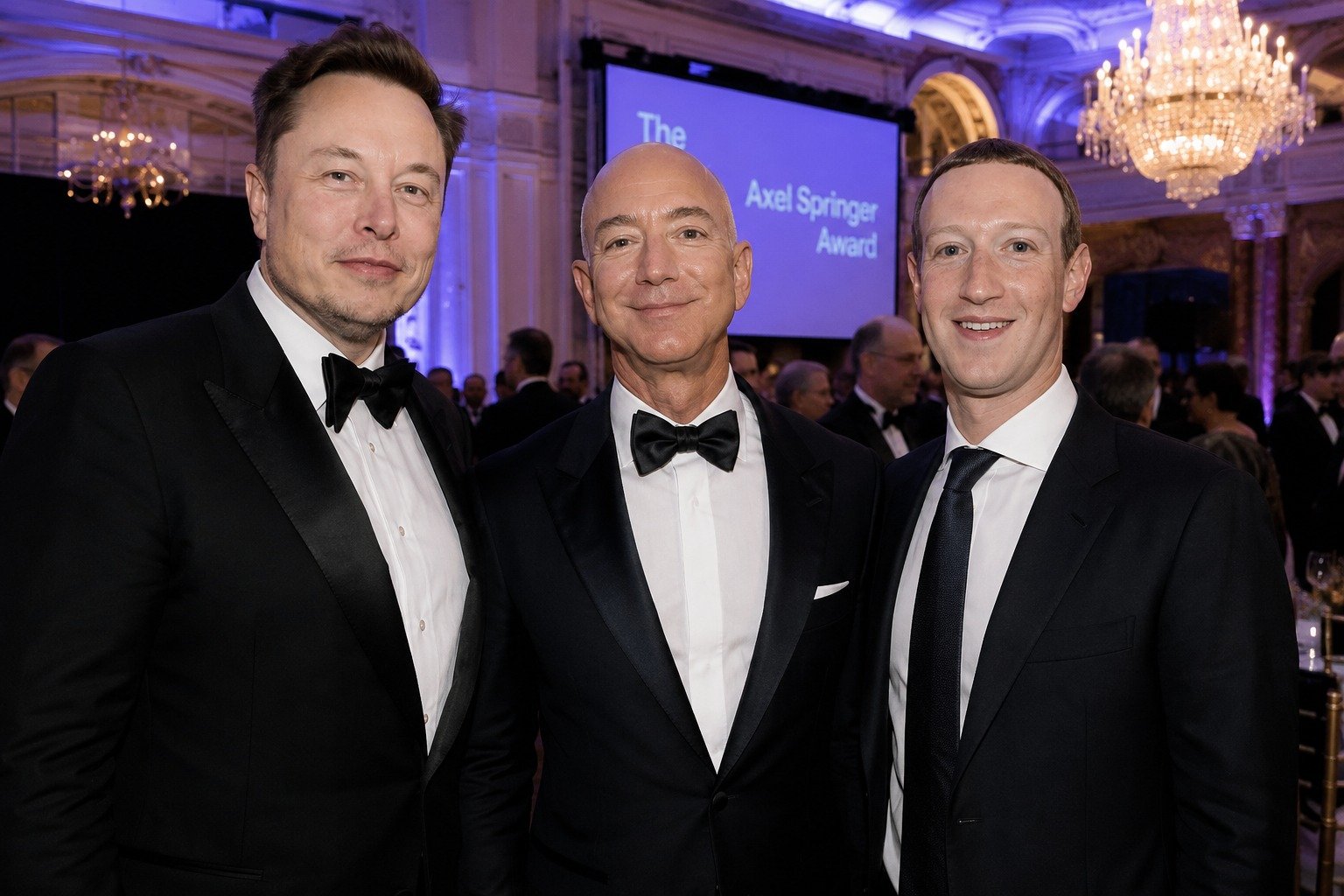
Most major democracies have decided that unlimited private money in politics is a threat to democratic equality. The United States has not. As the 2024 election cycle made clear — with a handful of billionaires spending well over a billion dollars combined to influence federal elections — the gap between America’s campaign finance rules and the rest of the developed world has never been wider.
How Other Countries Handle It
France banned corporate donations to political campaigns in 1995 — over 30 years ago. Germany caps individual political donations and requires public disclosure of any contribution above a certain threshold. Canada prohibits corporations and unions from donating to federal parties entirely. Brazil’s Supreme Court struck down corporate campaign contributions in 2015, ruling that they compromised democratic representation. The United Kingdom imposes strict spending limits on campaigns and bans foreign donations.
In each of these countries, the reasoning was similar: when the wealthy can spend unlimited sums influencing elections, the principle of one person, one vote is undermined in practice, even if it holds on paper. The democratic process becomes less about who has the best ideas and more about who can afford the loudest megaphone.
What Citizens United Changed in America
The pivotal moment in American campaign finance came in 2010, when the Supreme Court’s Citizens United ruling struck down limits on independent political spending by corporations and outside groups. The decision opened the door to super PACs — political action committees that can raise and spend unlimited amounts of money, as long as they don’t formally coordinate with a candidate’s campaign.
Since then, American elections have been increasingly shaped by massive outside spending. In the 2024 cycle, a small group of ultra-wealthy donors — including technology entrepreneurs, hedge fund managers, and real estate developers — collectively poured billions of dollars into the race. The donors spanned the ideological spectrum, but the scale was unprecedented. None of it violated any law.
The Debate: Democracy vs. Free Speech
The argument for restricting billionaire political spending is grounded in democratic theory: a government that is supposed to represent all citizens equally cannot function fairly when a tiny fraction of the population can spend unlimited sums shaping the information environment voters see and the candidates who receive support. When any individual can single-handedly fund a major campaign, their influence over policy outcomes is vastly disproportionate to their share of the electorate.
The argument against restrictions is not trivial. The Supreme Court has consistently ruled that political spending is a form of protected speech under the First Amendment. Limiting how much someone can spend on political advocacy, the Court has reasoned, is equivalent to limiting their ability to express their political views — a restriction the Constitution does not allow. Any legislative attempt to cap billionaire spending would face immediate legal challenges and would almost certainly land back before the Supreme Court.
Where Americans Stand
Public polling consistently shows strong bipartisan support for tighter campaign finance rules. Majorities of both Republicans and Democrats say they believe wealthy donors have too much influence in American politics. Yet Congress has repeatedly failed to pass meaningful reforms, in part because both parties have benefited from large-donor spending at different points, and in part because the legal landscape makes comprehensive reform extremely difficult without a Supreme Court reversal of Citizens United.
The question of whether billionaires should be allowed to pour unlimited money into American elections sits at the intersection of two foundational values: democratic equality and free expression. Most democracies around the world have concluded that democracy comes first. The United States remains the major exception — and that gap is growing harder to ignore.
Stay informed on the stories that matter most. Follow Your Daily Updates on Facebook and bookmark yourdailyupdates.news for breaking news and analysis.