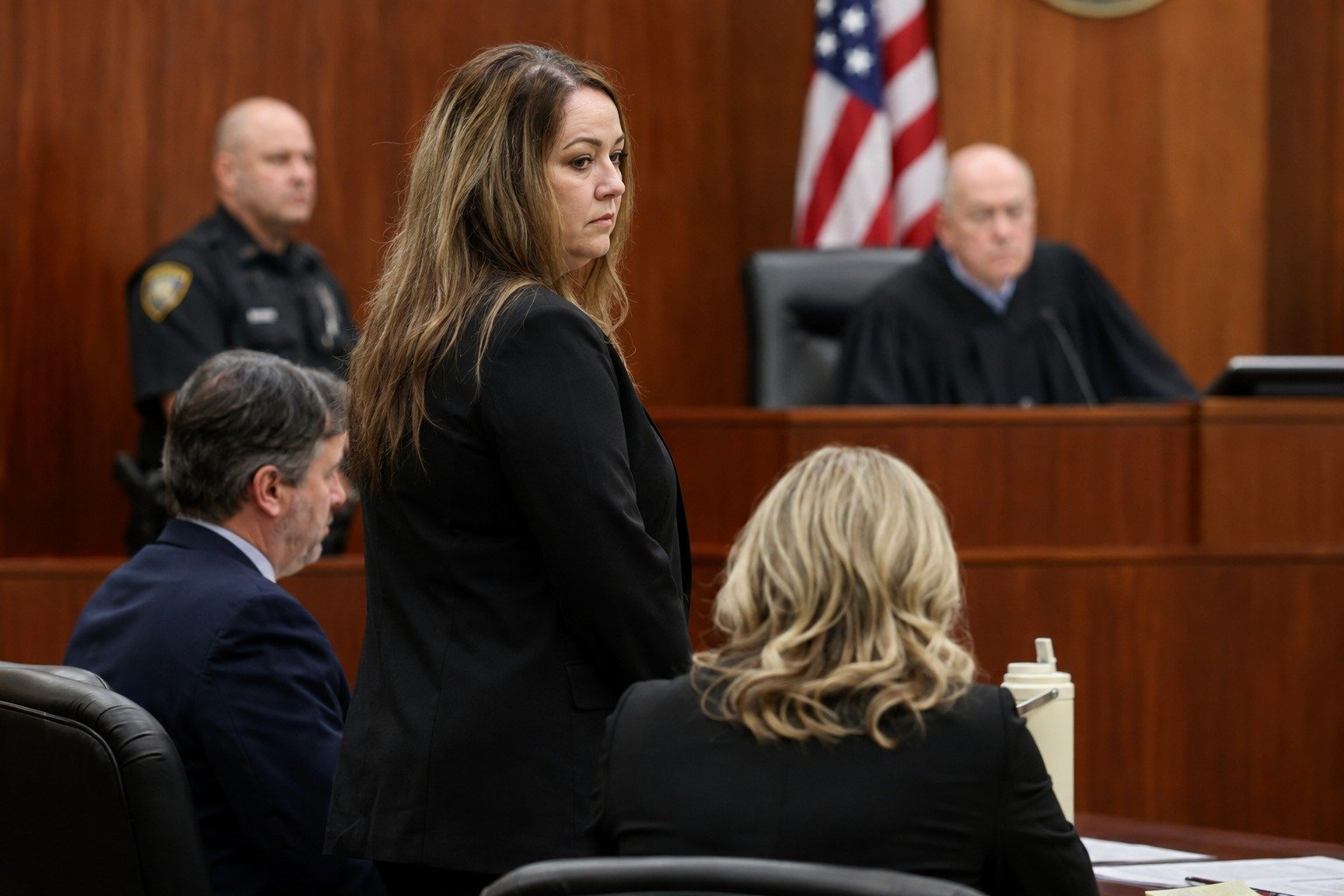
A federal judge just handed down one of the harshest sentences in the history of COVID pandemic fraud. Aimee Bock, the founder and executive director of a Minnesota nonprofit called Feeding Our Future, was sentenced to nearly 42 years in federal prison for masterminding a scheme that stole $250 million from a government food program designed to feed hungry children during the pandemic.
How the Scheme Worked
Bock’s operation exploited the USDA’s Child Nutrition Programs, which were expanded during COVID to feed low-income kids when schools closed. Instead of feeding children, Bock and her co-conspirators submitted fraudulent claims for millions of meals that were never served, pocketing the money through a web of shell companies and fake vendor invoices. The Department of Justice called it the single largest COVID-19 fraud scheme in American history — $250 million stolen from a program meant for the most vulnerable.
More than 70 people have been charged in connection with the scheme, and dozens have already pleaded guilty or been convicted. Prosecutors presented evidence that Bock and her network fabricated meal counts on a massive scale, falsely claiming to be feeding hundreds of thousands of children at sites that were often little more than vacant lots or private homes. The stolen money flowed into luxury cars, high-end real estate, and overseas transfers.
The Sentencing
Bock faced up to 20 years on each of the multiple fraud and money laundering counts she was convicted of. U.S. District Judge Nancy Brasel sentenced her to 41 years and 8 months — a term that effectively means she will spend the rest of her life in prison. Prosecutors had argued for a maximum sentence, pointing to the staggering scale of the fraud, the fact that it targeted a program meant to help vulnerable children, and evidence that Bock showed no remorse. Defense attorneys argued for leniency, but the judge was unmoved.
National Attention and Broader Impact
The Feeding Our Future case has drawn intense national attention as one of the most egregious examples of pandemic relief fraud uncovered so far. Federal investigators say the fraud ramped up rapidly as COVID-era oversight was stretched thin and demand for emergency funds surged. Bock’s nonprofit was one of dozens approved to distribute meals under the expanded program, but prosecutors say she transformed it into a fraud engine almost immediately.
The case exposed significant gaps in the oversight systems designed to protect federal emergency programs — gaps that allowed Bock and her co-conspirators to steal hundreds of millions of dollars over just a few years. For the families and children the program was supposed to help, the fraud represented a direct theft from the most vulnerable Americans. For taxpayers, it was a $250 million betrayal of public trust — and now, a federal judge has made clear the consequences are severe.
Stay informed on the stories that matter most. Follow Your Daily Updates on Facebook and bookmark yourdailyupdates.news for breaking news and analysis.