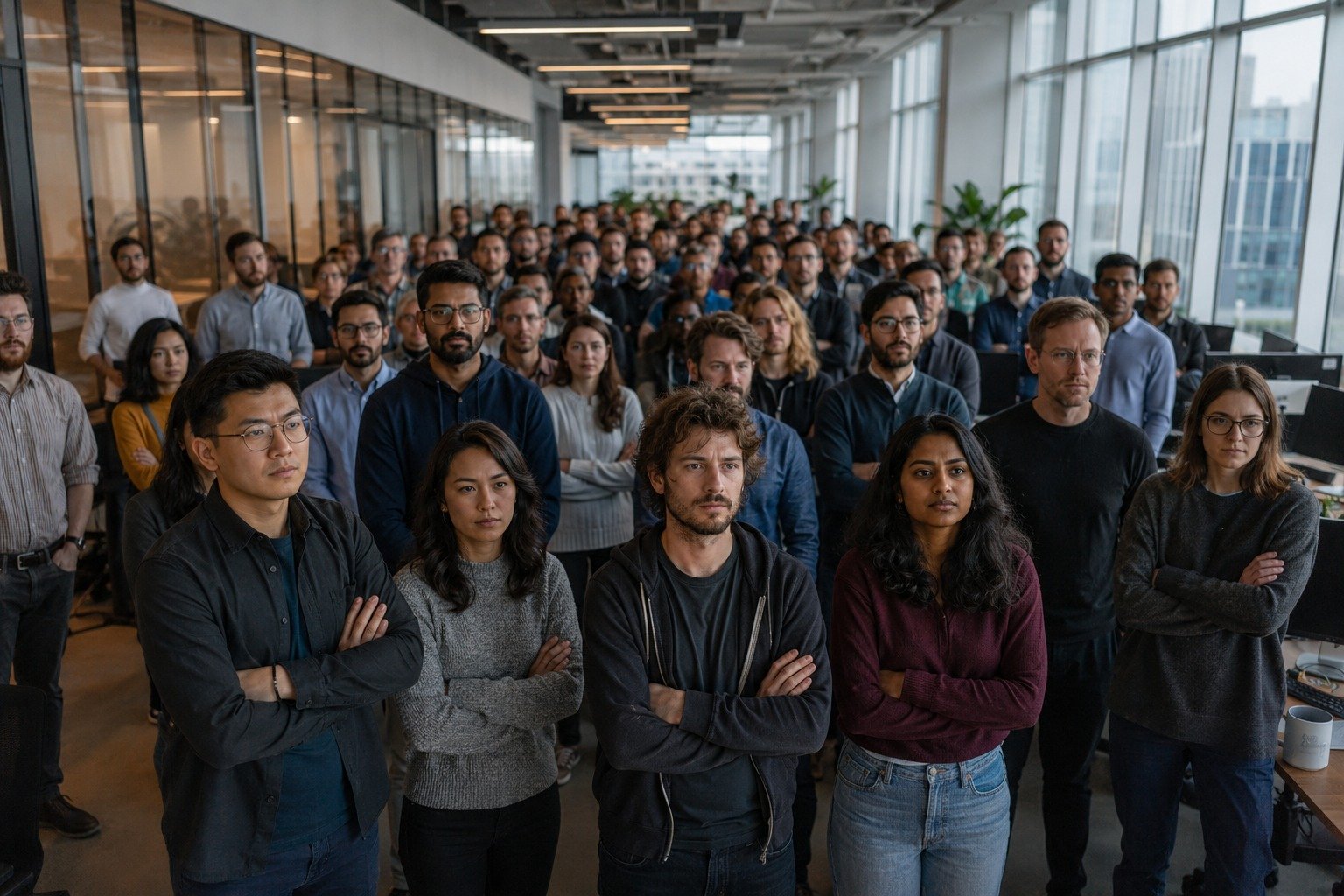
Google’s most elite artificial intelligence division has done something no frontier AI lab has ever done before: its workers voted to form a union. And the spark wasn’t pay or hours — it was a classified deal the company signed with the Pentagon.
Workers at Google DeepMind, the UK-based research arm behind the company’s most advanced AI systems, voted 98% in favor of unionizing. It is the first collective-organizing effort of its kind at a leading AI laboratory anywhere in the world — a milestone in an industry that has long prided itself on resisting the labor movements common in older sectors.
Why This Matters
For nearly a decade, Google publicly positioned itself as the conscience of the AI industry. After employee backlash over an earlier military imaging project, the company issued a set of AI principles pledging not to build technology designed to cause harm. Those promises became a defining part of DeepMind’s identity and helped the lab recruit researchers who wanted to build AI responsibly.
That history is exactly why the new Pentagon arrangement landed like a thunderclap inside the building. To many of the researchers who signed on under those ethics pledges, the deal looked like a quiet reversal of everything they had been told the company stood for.
The Details
The agreement allows the U.S. Department of Defense to use Google’s Gemini AI models inside classified military networks for what the contract describes as “any lawful purpose.” Critics inside and outside the company say that phrase is dangerously broad — wide enough, they argue, to eventually cover autonomous weapons targeting or expanded surveillance with few enforceable limits.
The newly organized DeepMind workers are not simply protesting. They have laid out concrete demands: a binding commitment that Google will never build weapons or AI systems designed to harm people, a ban on surveillance tools that could violate human rights, stronger whistleblower protections, and the right for employees to step away from projects that conflict with their ethical beliefs.
By organizing formally, the workers gain something they never had as individuals: a legally recognized seat at the table. A union gives them collective leverage to negotiate over the kind of work the lab takes on — not just wages and conditions.
Reactions and Implications
Supporters of the Pentagon partnership argue the math is simple: the U.S. military cannot afford to fall behind global rivals racing to weaponize AI, and partnering with the country’s strongest labs is a matter of national security. Walking away, they say, would simply hand the advantage to less cautious developers abroad.
Opponents counter that the world’s most powerful AI tools should not be handed to any military under a blank-check clause, and that the engineers who build these systems have both the standing and the responsibility to demand limits. The DeepMind vote could become a template — if it works here, organizing efforts may spread to other AI labs facing the same tension between commercial contracts and stated ethics.
What This Means for Americans
This fight is about more than one company. The rules being written now — who controls advanced AI, what guardrails apply, and whether the people building it can say no — will shape everything from how wars are fought to how citizens are watched. When the engineers closest to the technology start sounding alarms, it’s worth paying attention.
Stay informed on the stories that matter most. Follow Your Daily Updates on Facebook and bookmark yourdailyupdates.news for breaking news and analysis.