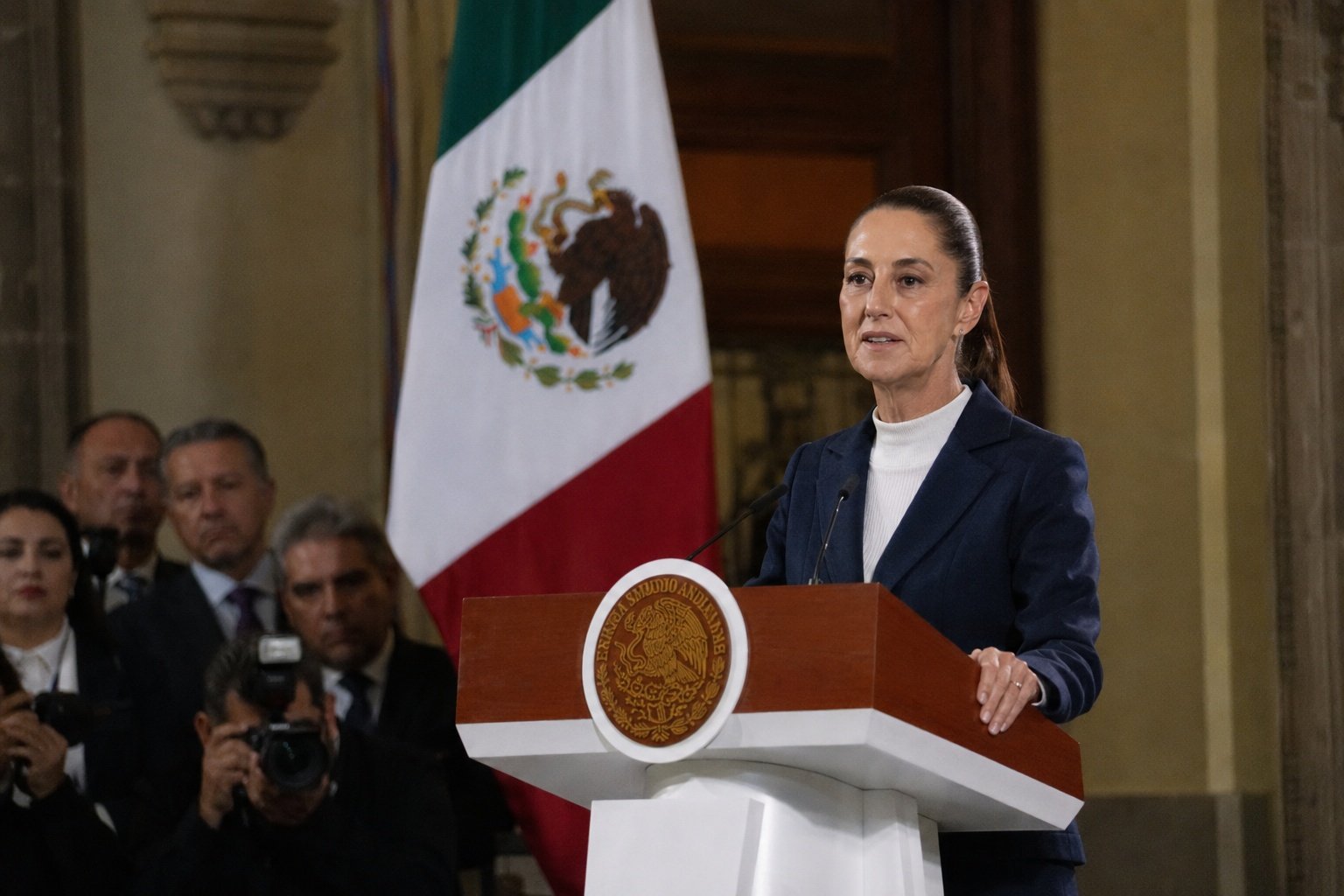
Mexico just did what the United States has debated for generations — and President Claudia Sheinbaum signed the decree to prove it. The Mexican government has officially declared healthcare free for every one of its 130 million citizens, effective immediately for enrollment, with full implementation targeted for 2027.
What the Decree Actually Does
President Sheinbaum’s decree establishes a Universal Health Service that replaces Mexico’s longstanding fragmented healthcare system. Under the new framework, no Mexican citizen will pay premiums, co-pays, or out-of-pocket costs for medical services. There are no eligibility requirements based on employment status, income level, or geographic location. If you are a Mexican citizen, healthcare is now a legal right — not a benefit tied to your job or your government program enrollment.
For decades, access to care in Mexico depended entirely on which box you fell into: workers covered through the IMSS (the national social security institute), government employees covered through ISSSTE, residents in certain states covered by INSABI or its predecessor Seguro Popular, or the millions who fell through the cracks of all of them. That patchwork is now being consolidated into a single national system.
The Rollout Timeline
The rollout is structured in phases designed to manage the transition without overwhelming the system. Phase 1 launched on April 13, 2026, opening registration for citizens aged 85 and older — the demographic with the highest healthcare needs and historically the most vulnerable to coverage gaps. Subsequent phases will extend coverage to younger age groups on a rolling schedule, with full universal coverage for all Mexican citizens targeted for 2027. The complete consolidation of the country’s health institutions is set to be finalized before the Sheinbaum administration ends in 2030.
The Argument for Universal Coverage
Sheinbaum’s government frames the change not just as a social policy but as an economic one. A unified healthcare system eliminates the massive administrative overhead of running multiple parallel bureaucracies — IMSS, ISSSTE, INSABI, and various state-level programs each maintained their own administrative infrastructure, claims processing systems, and enrollment databases. Consolidating those into one system eliminates redundant costs, reduces the opportunities for corruption in procurement, and allows the government to negotiate far better pricing on pharmaceuticals and medical equipment at national scale.
The preventive care argument is equally significant. When people can’t afford to see a doctor, minor conditions become major ones. Untreated diabetes leads to amputations. Undetected cancers reach advanced stages before anyone catches them. Universal access to primary care catches these problems early — which is both better for patients and dramatically cheaper for the system than emergency interventions down the line. The government argues the cost savings from prevention will offset much of the upfront investment in expansion.
The Comparison Americans Can’t Ignore
The contrast with the United States has not been lost on observers. The U.S. remains one of the only wealthy nations without universal healthcare coverage. Medical debt is the single largest driver of personal bankruptcy in America. Tens of millions of Americans remain uninsured or underinsured, and the cost of a single emergency room visit can financially devastate a family. Prescription drug prices in the U.S. are among the highest in the world — often multiples of what the same drugs cost in Canada, the UK, or Mexico itself.
Mexico, a country with a significantly lower per-capita GDP than the United States, just made universal healthcare a constitutional guarantee for every citizen. Whether America should or could do the same is a debate that has churned for generations — through the Clinton reform attempt in the 1990s, the passage and endless attacks on the Affordable Care Act, and the Medicare for All debates of recent election cycles. Mexico just moved from debate to implementation. That reality is now part of the conversation.
What This Means for Ordinary People
For the millions of Mexican workers, farmers, and families who previously had no reliable healthcare access, this decree is transformative. No more rationing whether a child’s fever is serious enough to justify the expense of a clinic visit. No more choosing between medication and groceries. No more avoiding preventive screenings because of cost. The decree doesn’t guarantee perfect healthcare overnight — the system will take years to fully build out — but it establishes the legal and structural foundation that makes universal access the expectation rather than the exception.
Stay informed on the stories that matter most. Follow Your Daily Updates on Facebook and bookmark yourdailyupdates.news for breaking news and analysis.