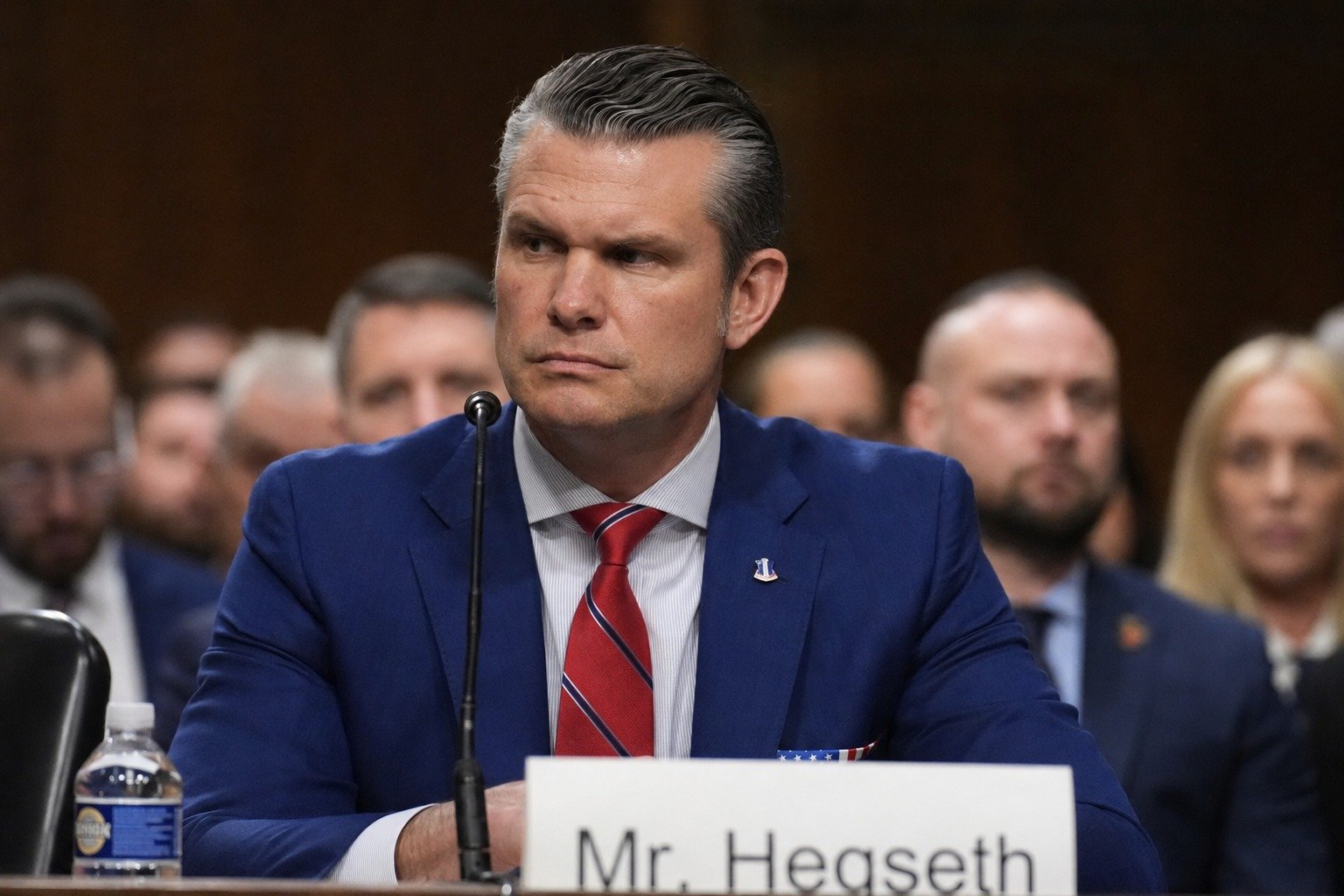
Rep. Seth Moulton, a Marine combat veteran who served in Iraq, confronted Defense Secretary Pete Hegseth in a live congressional hearing and accused him of ordering war crimes during Caribbean drug interdiction operations. Then he made a comparison that stopped the room cold: the last officers to give the same orders were Nazi U-boat commanders — and they were executed for it.
The Accusation
Hegseth has faced mounting scrutiny over operations conducted by U.S. forces in the Caribbean Sea under Trump administration directives. Reports emerged that soldiers were ordered to fire on individuals in the water who posed no active threat — a potential violation of the Geneva Conventions’ protections for combatants who have surrendered or become incapacitated. The allegations, if proven, would constitute a war crime under both international law and the Uniform Code of Military Justice.
Moulton, who represents Massachusetts and is one of Congress’s most vocal veterans on military accountability, laid out the case directly to Hegseth’s face during a tense hearing exchange. His accusation centered on an order allegedly issued during those Caribbean drug interdiction operations — an order that, according to Moulton, directed U.S. forces to eliminate boat survivors rather than detain them as required under the laws of war.
“That’s Murder”
Moulton was blunt in the hearing room. “That’s murder,” he said directly to the Secretary of Defense. He then drew a historical parallel that will be difficult to walk back: at the Nuremberg trials, Allied war tribunals prosecuted and executed Nazi submarine commanders for issuing identical orders — ordering the killing of shipwreck survivors who posed no threat. The implication was deliberate and legally precise. The defense that soldiers were “just following orders” did not protect Nazi officers from execution. More critically, Moulton argued, it should not protect the person who gave those orders today.
The exchange quickly went viral. Clips of Moulton making the Nazi comparison directly to Hegseth’s face circulated across social media platforms within hours, racking up millions of views. For many veterans watching, it landed as a stark reminder that accountability under the laws of war applies regardless of rank — including the Secretary of Defense.
Six Articles of Impeachment
Democrats have responded by escalating to the legal threshold. Six separate articles of impeachment have now been introduced against Hegseth, with the Caribbean operations cited as the primary basis for the war crimes charge. The articles allege Hegseth unlawfully ordered the killing of non-combatants under the cover of anti-drug missions — an accusation that, if sustained, would carry criminal liability under both U.S. military law and the international conventions the United States is bound by treaty to uphold.
What Happens Next
The White House has not responded on the record to the specific war crimes allegation. Republicans on the committee remained largely silent during Moulton’s exchange. Legal scholars have noted that even in the context of military operations against criminal organizations such as drug cartels, soldiers are bound by rules of engagement prohibiting fire on incapacitated or surrendering individuals. The impeachment articles are unlikely to succeed in the Republican-controlled House, but they officially place the war crimes accusation on the congressional record — a significant legal and political escalation that prosecutors, both domestic and international, can reference.
Why This Matters for Americans
If the allegations are accurate, soldiers followed unlawful orders and their commanding officers — up to and including the Secretary of Defense — may be criminally liable under both U.S. military law and international treaty obligations. The precedent being invoked is not rhetorical. Nazi officers were literally executed for issuing the same category of order. The question now before Congress is direct: did the Secretary of Defense order soldiers to kill people who were no longer a threat? A combat veteran just asked that question to his face, on live television. The answer, or the refusal to give one, is now part of the permanent record.
Stay informed on the stories that matter most. Follow Your Daily Updates on Facebook and bookmark yourdailyupdates.news for breaking news and analysis.