A brand-new Gallup poll has delivered a striking verdict on one of America’s fastest-growing infrastructure debates: 70% of Americans say they oppose having an AI data center built near their home. The opposition isn’t partisan — it cuts across party lines, income levels, age groups, and geographic regions. That’s a supermajority of the country, and the tech industry is paying attention.
What the Poll Found
The Gallup survey asked Americans directly: would you support or oppose an AI data center being built in your community? Seven in ten said no. The breadth of that opposition is what makes the finding so significant — this isn’t a coastal liberal or rural conservative issue. People across the political spectrum, in urban and rural areas alike, share the same basic resistance.
When pollsters asked why, the answers clustered around three concerns: energy consumption, water usage, and the economic impact on local utility rates. AI data centers are not like ordinary office buildings. A single large facility can consume as much electricity as tens of thousands of homes, requires millions of gallons of water daily for cooling systems, and generates industrial noise around the clock. Communities near existing facilities have reported dramatic utility rate hikes — and many say they were never consulted before construction began.
The Scale of the Build-Out
The concerns are not abstract. There are currently more than 3,000 operational data centers in the United States, with over 700 additional facilities under active construction. The pace is only accelerating — as AI models grow more powerful, they require exponentially more computing infrastructure. Every major tech company is racing to build capacity, and that means siting new facilities somewhere. In most cases, local governments and residents have had little formal input into where those facilities land.
The pattern has been consistent: a tech company identifies a location with favorable power costs and available land, secures permits through state-level economic development channels, and begins construction before most residents know what’s happening. By the time community opposition organizes, the legal and financial commitments are already locked in.
The Political Pressure Is Building
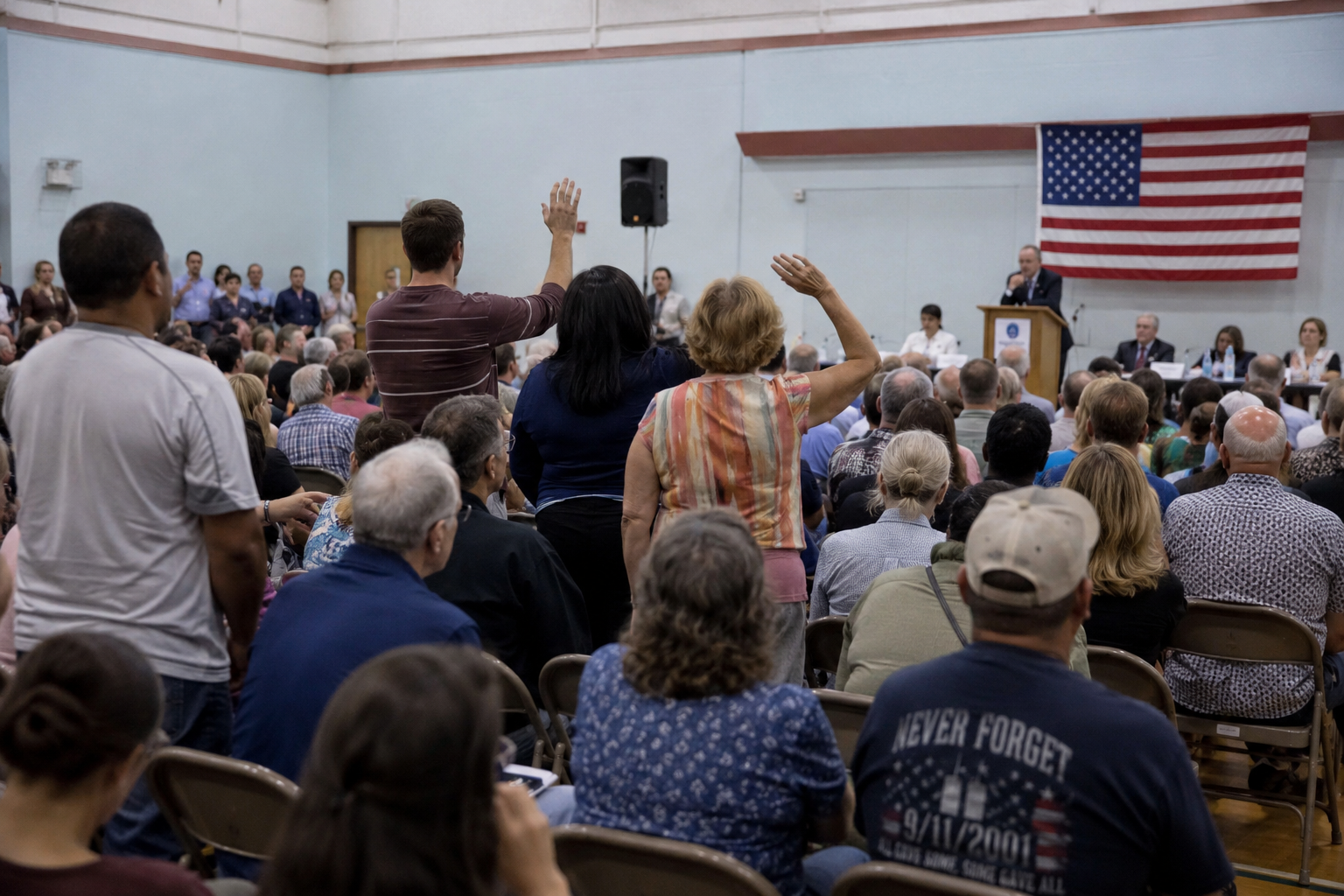
The 70% figure puts public opinion squarely against the tech industry’s expansion plans — and raises a fundamental question about democratic governance: who gets to decide where this infrastructure goes? Big Tech has the lobbyists, the campaign contributions, the legal teams, and the political relationships needed to navigate permitting processes at the state level. What local communities mostly have is their vote — and increasingly, they’re using it to demand more say.
Several states have begun introducing legislation to require community notification, environmental impact reviews, or even local referendum votes before major data center construction can proceed. The Gallup poll gives those efforts real momentum — it’s hard for a state legislator to argue against community input when 70% of their constituents say they don’t want these facilities in their backyards.
What This Means for You
If one of these facilities is proposed for your area, you may not hear about it until after the decision is made. Your electric bill is likely to reflect increased demand even if the facility isn’t in your neighborhood — utilities don’t isolate industrial load. And the broader debate over whether communities should have a formal vote on data center siting is moving fast. The Gallup poll is a data point that local officials can no longer ignore.
Stay informed on the stories that matter most. Follow Your Daily Updates on Facebook and bookmark yourdailyupdates.news for breaking news and analysis.