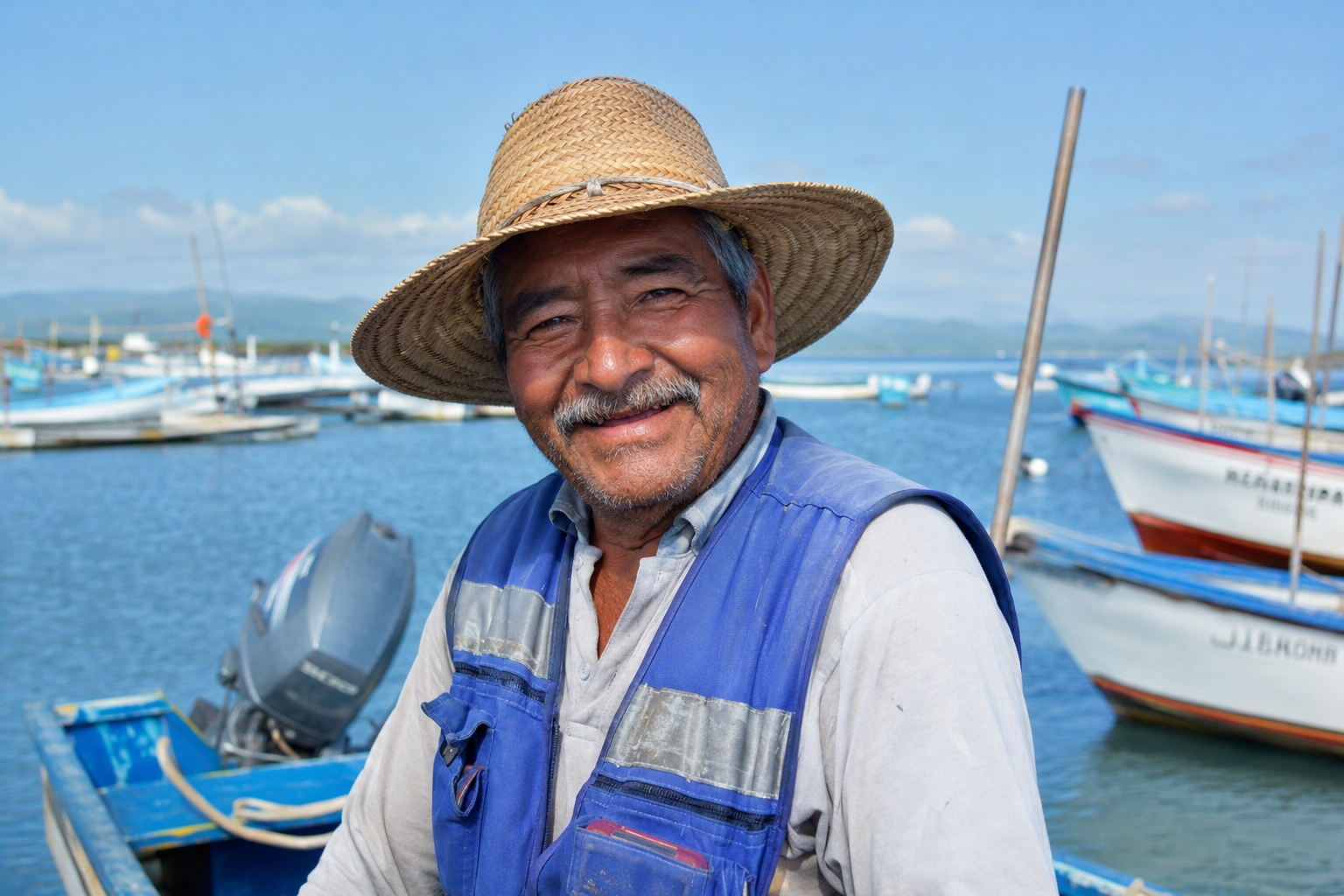
Mexico’s President Claudia Sheinbaum announced a sweeping debt forgiveness program in May 2026, cancelling the outstanding government loans of 60,000 small farmers and fishermen who had fallen behind on payments to the National Development Fund for Agriculture (FND). For tens of thousands of rural families, debts they had no realistic path to repaying are now wiped clean.
The Debt That Trapped Mexico’s Rural Poor
The FND has long provided low-interest agricultural loans to Mexico’s small-scale farmers and fishing communities, many of whom operate subsistence or near-subsistence operations. But years of weather disruptions, falling commodity prices, and the economic shocks of the COVID-19 pandemic left thousands of borrowers unable to keep up with repayments. The debts became a financial trap — too large to pay off, but recorded in government systems in a way that cut families off from future credit and assistance programs.
What Sheinbaum’s Government Did
President Sheinbaum’s administration used the National Fund for Agricultural Development to officially cancel the outstanding balances for 60,000 small-scale agricultural producers and fishermen across Mexico. The forgiven debts represent money that, according to officials, was never realistically recoverable — the borrowers simply didn’t have the financial capacity to repay. Rather than allow those debts to continue blocking these families from accessing future government programs, the administration chose to wipe the slate clean.
The program targets the most economically vulnerable segment of Mexico’s agricultural sector. These are not large commercial farming operations — they’re small family farms and fishing communities that operate on thin margins and are among the first to be hit when harvests fail or fish populations decline. For many of these families, the debt cancellation represents a genuine economic lifeline, removing a years-long financial burden in a single government action.
Officials described the move as part of a broader strategy to strengthen Mexico’s rural economy and food security. Mexico has faced persistent challenges with rural poverty, and programs targeting the agricultural sector directly are a cornerstone of Sheinbaum’s economic agenda. The debt cancellation was structured specifically for borrowers whose debts had become unpayable — those most in need of relief, not those who simply chose not to pay.
Praise and Pushback
The debt cancellation drew praise from agricultural advocates and rural development organizations, who have long argued that punitive debt collection policies against subsistence farmers do more economic harm than good. Critics from business and banking sectors raised concerns about the precedent it sets for government loan programs, arguing that broad debt forgiveness could undermine the financial sustainability of agricultural lending programs going forward.
The move also carries political weight in a country where rural communities represent a significant constituency. Sheinbaum’s administration has made rural economic development and food sovereignty central themes of its agenda, and this announcement delivers on those priorities with tangible action. The announcement came amid ongoing efforts by the Mexican government to reduce rural poverty and increase domestic food production capacity.
What This Means for Americans
Mexico is the United States’ largest trading partner and a critical source of fresh produce in American grocery stores — from avocados and tomatoes to shrimp and other seafood. A more stable Mexican agricultural sector means more reliable food supply chains and steadier prices for the fruits, vegetables, and seafood Americans depend on. When Mexico’s rural economy struggles, American consumers feel it at the checkout line. This debt cancellation is a small but meaningful step toward stabilizing that supply chain from the ground up.
Stay informed on the stories that matter most. Follow Your Daily Updates on Facebook and bookmark yourdailyupdates.news for breaking news and analysis.