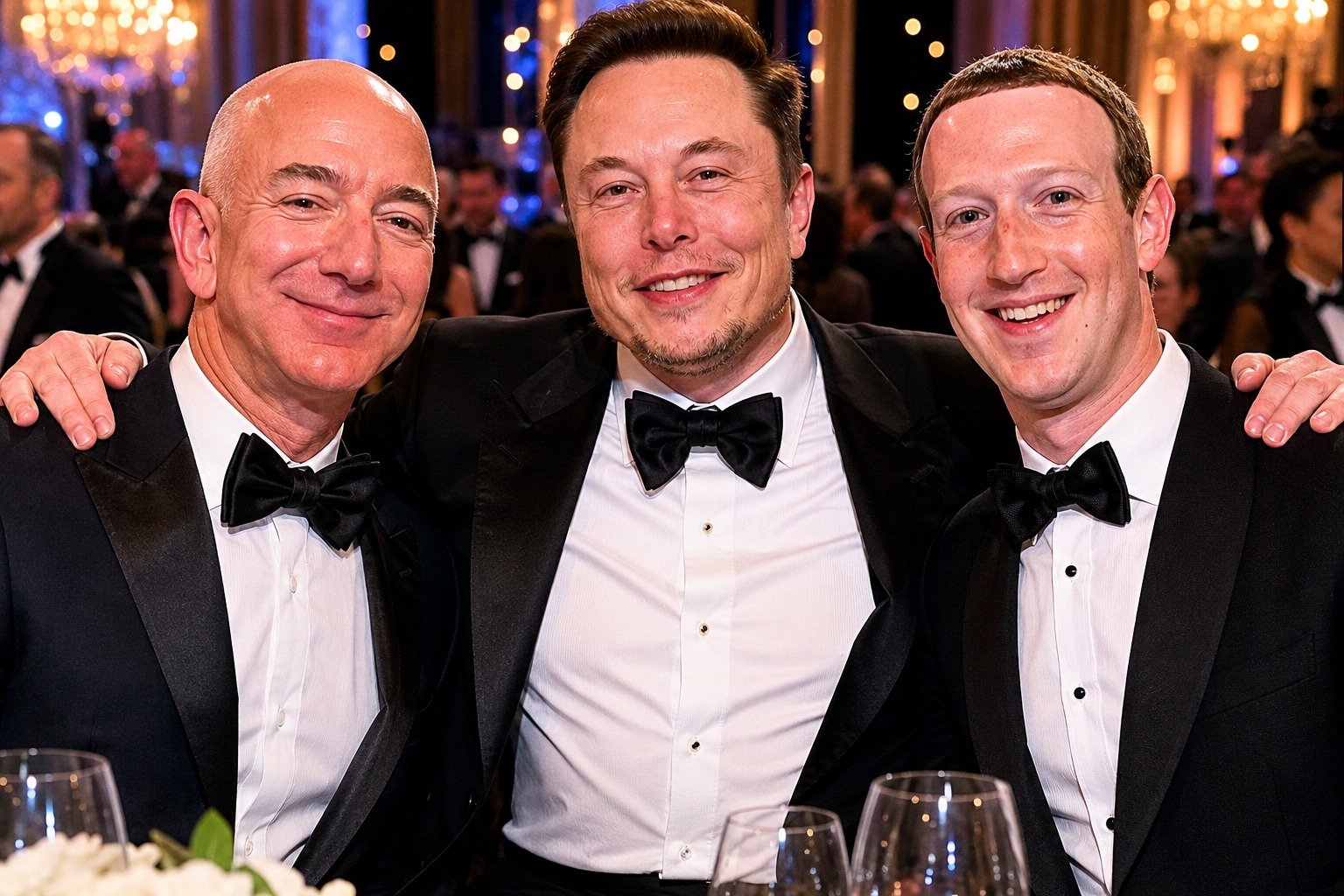
In 2024, Elon Musk donated more than $100 million to support Donald Trump’s presidential campaign — the single largest individual political contribution in American history. That number alone would be illegal in most democracies on earth. In the United States, it is entirely within the law.
How America Got Here
The rules changed dramatically in 2010, when the Supreme Court’s landmark Citizens United decision ruled that corporations and outside groups have the same free speech rights as individuals when it comes to political spending. The ruling struck down existing campaign finance limits and opened the door to what are now called super PACs — political action committees that can raise and spend unlimited sums, as long as they don’t formally coordinate with a candidate’s official campaign.
The result has been an explosion of outside spending in every election cycle since. In 2024, super PACs backed by a small number of billionaires accounted for billions in total political spending. The top 100 donors in a typical U.S. election now account for more than a third of all outside money combined. The gap between the wealthiest donors and everyone else has never been wider.
What the Rest of the World Does
More than 40 democratic nations have drawn a hard line between private wealth and political power. Canada banned unlimited outside spending by corporations and unions decades ago, and tightened its rules even further in 2007. France has strict caps on all political donations and bans corporate contributions outright — laws that have been on the books since 1995. Germany, Australia, Japan, Mexico, and most of Western Europe operate under systems where no individual billionaire can single-handedly finance a national campaign. In these countries, elections are funded primarily through public financing combined with tightly capped private donations.
These democracies didn’t collapse when they capped political spending. By most measures — voter turnout, public trust in institutions, government accountability — many of them strengthened. The argument that unlimited political spending is a necessary feature of democracy finds little support in the data from countries that have banned it.
The Debate in America
Critics of the current system argue the math is simple: when one person can outspend millions of voters, democracy stops being about votes and starts being about wallets. They point to Musk’s $100 million contribution as proof that the line between political influence and political control has been effectively erased. Reform advocates are pushing for constitutional amendments, new legislation, and a reversal of Citizens United — though any of those paths faces enormous legal and political obstacles.
Supporters of the existing rules argue that restricting how someone spends their own money is a violation of free speech — the same constitutional logic the Supreme Court relied on in 2010. They argue that the solution isn’t hard limits on spending but greater transparency, so voters can see exactly who is funding which candidates and make their own judgments. Several prominent conservatives who supported Citizens United have since expressed concern about the scale of billionaire involvement in elections, even while defending the underlying legal principle.
What This Means for You
In America today, your vote and a billion-dollar donation both count as political participation. One of them is capped at one person. The other has no ceiling at all. Whether that balance is right — and whether the U.S. should join the 40+ nations that have decided it isn’t — is now one of the defining questions in American democracy. The countries that made that change are still holding elections. The difference is who’s paying for them.
Stay informed on the stories that matter most. Follow Your Daily Updates on Facebook and bookmark yourdailyupdates.news for breaking news and analysis.