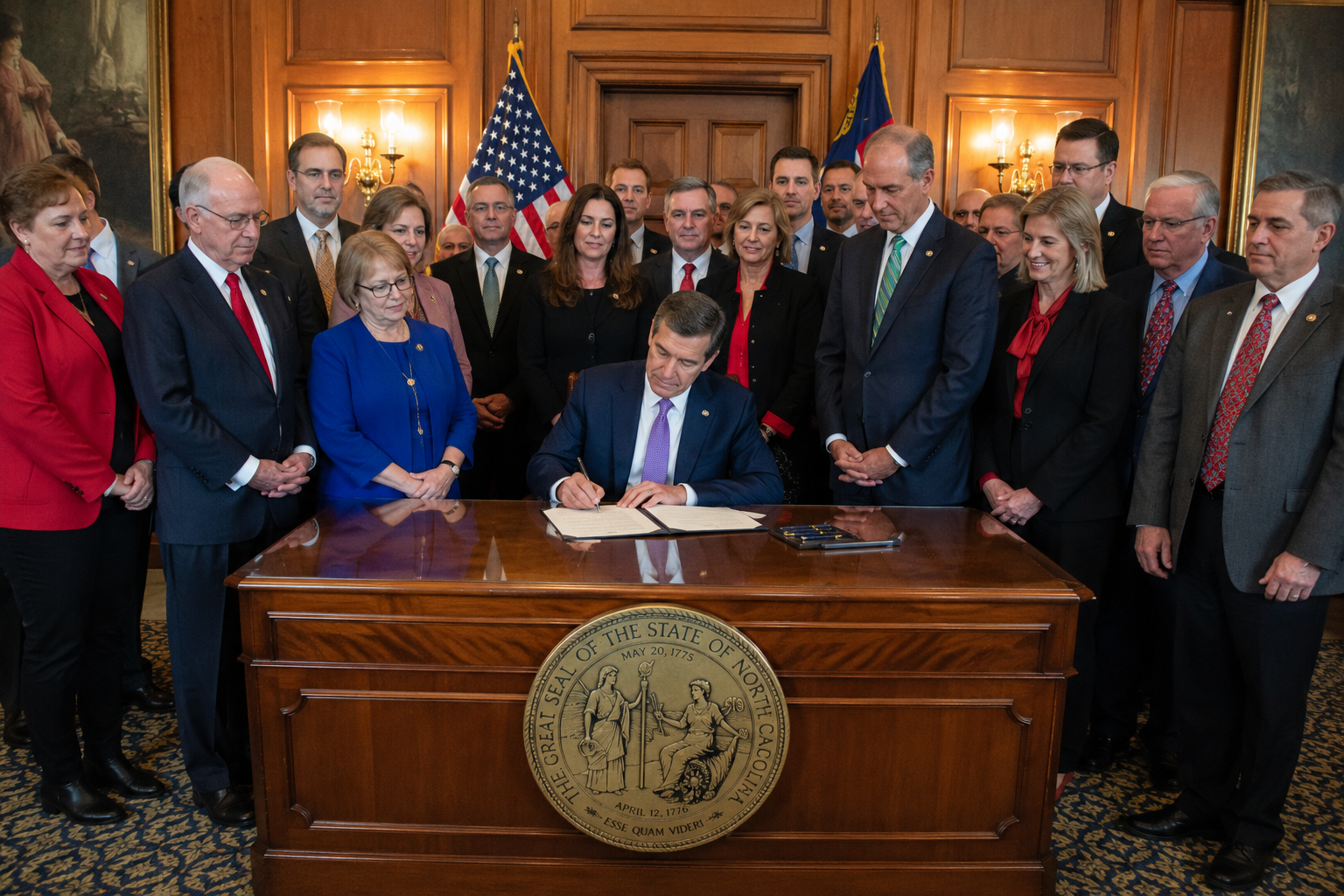
A quiet signing ceremony in Minnesota just made history — and sent a warning shot to every AI company in America. Governor Tim Walz signed legislation making the North Star State the first in the country to specifically criminalize AI applications that generate fake intimate images of real people. The law took effect immediately, with criminal penalties for platforms — not just individual users.
What the Law Actually Does
Under Minnesota’s new statute, any app, platform, or service that generates s*xually explicit AI-created images of real individuals without their consent is now subject to criminal charges. Critically, the law targets the technology itself — holding the companies and developers who build these tools criminally liable alongside anyone who distributes the resulting images.
This is a significant departure from prior legal frameworks, which largely treated AI-generated deepfake content as a civil matter or left victims to pursue individual harassers rather than the platforms enabling the abuse. Minnesota’s law flips that dynamic: if your app can generate a fake intimate image of a real person, you’re now on the hook under state criminal law.
Why This Law Happened
The legislation came directly in response to a documented surge in AI-generated deepfake content targeting private citizens. Victims — overwhelmingly women and girls — found their likenesses used in graphic AI-generated material with virtually no legal recourse. In cases involving high schools and colleges, explicit fake images of students circulated on social media and through private messaging apps before victims or school officials even became aware of their existence.
Existing state and federal law had not been written with AI image generation in mind. Revenge p*rn statutes, which criminalize the non-consensual sharing of real intimate images, don’t cleanly apply to AI-fabricated content. Civil lawsuits against platforms have largely failed due to Section 230 protections. Victims were left without meaningful options — and Minnesota lawmakers decided to close that gap directly.
The Pushback — and Why Supporters Aren’t Backing Down
Critics of the legislation — including some tech industry representatives and First Amendment advocates — argue that the law is broadly written and could expose AI companies to criminal liability for content they didn’t intend to enable. They warn that aggressive enforcement could chill legitimate AI development and raise constitutional questions around compelled content moderation.
Supporters fire back with a simple counterargument: the harm is documented, severe, and ongoing. The technology to create convincing fake intimate images of any real person now exists in consumer-grade apps available to anyone with a smartphone. Civil penalties have not deterred the growth of deepfake abuse platforms. Criminal liability, supporters argue, is the only tool left with real teeth.
What This Means for the Rest of the Country
Minnesota’s move puts immediate pressure on the other 49 states. Legal experts and advocacy groups tracking deepfake legislation say they expect a wave of similar bills introduced in state legislatures over the coming months. Several states already have non-consensual intimate image laws on the books — updating those statutes to explicitly cover AI-generated content is the likely next step in most jurisdictions.
At the federal level, proposed legislation targeting deepfake content has stalled repeatedly. Minnesota’s law demonstrates that states aren’t waiting for Washington to act. For the millions of Americans — particularly young women — who have been targeted by AI-generated fake intimate images, the passage of this law represents the first real legal protection specifically designed to address the technology enabling the abuse.
Stay informed on the stories that matter most. Follow Your Daily Updates on Facebook and bookmark yourdailyupdates.news for breaking news and analysis.