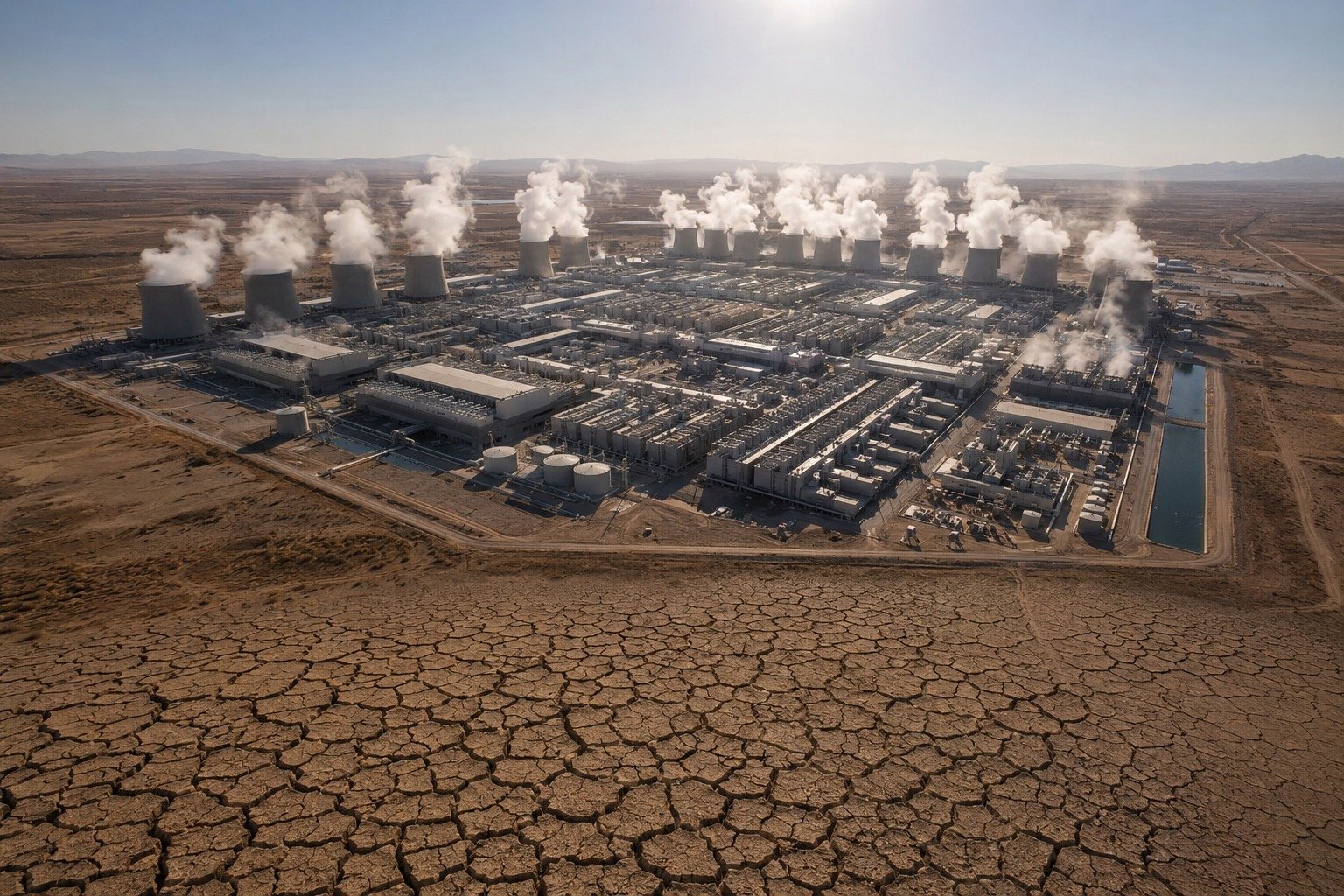
As artificial intelligence demands more power and water than ever before, a growing number of American communities have decided enough is enough. As of May 2026, 69 U.S. jurisdictions have enacted active moratoriums blocking the construction of new AI data centers. Four of those bans are now permanent — written into local law with no expiration date.
From Eight to Sixty-Nine in Just One Year
A year ago, this movement was barely a footnote. Only eight communities across the entire country had enacted any kind of restriction on AI data center construction. Since then, the number has exploded. Between March and April 2026 alone, 14 new restrictions were added — the fastest single-month growth on record. The total number of active restrictions, including temporary moratoriums and permanent bans, now sits at 78 and climbing.
The acceleration is not random. It’s a direct response to what communities learned when they watched neighboring towns accept these facilities. The promises — jobs, tax revenue, economic development — often materialized in limited form. What arrived in full was the resource demand.
The Numbers Behind the Backlash
The resource math is hard to argue with. A single AI data center can consume up to 5 million gallons of water every day, used primarily to cool the massive server infrastructure inside. During periods of drought — which are becoming more frequent across the American West and Midwest — that kind of demand doesn’t just strain local systems. It can threaten them.
In Minnesota, officials calculated that just 13 proposed AI data centers would collectively require the same amount of electricity needed to power all 2.3 million homes in the state. For rural communities already straining under aging grid infrastructure, absorbing that kind of load isn’t a hypothetical problem — it’s an immediate one. Power costs go up. Reliability goes down. And the facility that triggered the surge often operates behind a locked gate that residents never see the inside of.
A Rare Bipartisan Backlash
What makes this trend politically significant is who’s leading it. The bans are not coming from one side of the aisle. Conservative rural counties are pushing back hard on water rights and grid strain — two issues that cut directly into agriculture and small-town life. Progressive urban centers are citing environmental destruction and unchecked energy consumption. The complaints are different. The conclusion is the same: not here, not like this.
The tech industry has responded with warnings of its own. Major AI companies and data center operators argue that these restrictions will slow American AI development, cede technological ground to China, and eliminate high-wage jobs before they’re ever created. Those arguments have moved some legislators. But at the local level — in the towns and counties where these facilities actually land — they haven’t been enough to stop the wave.
What This Means for You
For everyday Americans, this story is about who controls local infrastructure. Data centers don’t just take up space — they consume electricity and water at a scale that can directly affect utility rates, water availability, and grid reliability in surrounding communities. Four of the 69 bans in place are now permanent, meaning those communities have made a long-term decision about what belongs in their backyard. The other 65 are active moratoriums — temporary blocks that could be lifted, extended, or converted into permanent law. This isn’t a local trend anymore. It’s a national reckoning, and it’s still building.
Stay informed on the stories that matter most. Follow Your Daily Updates on Facebook and bookmark yourdailyupdates.news for breaking news and analysis.