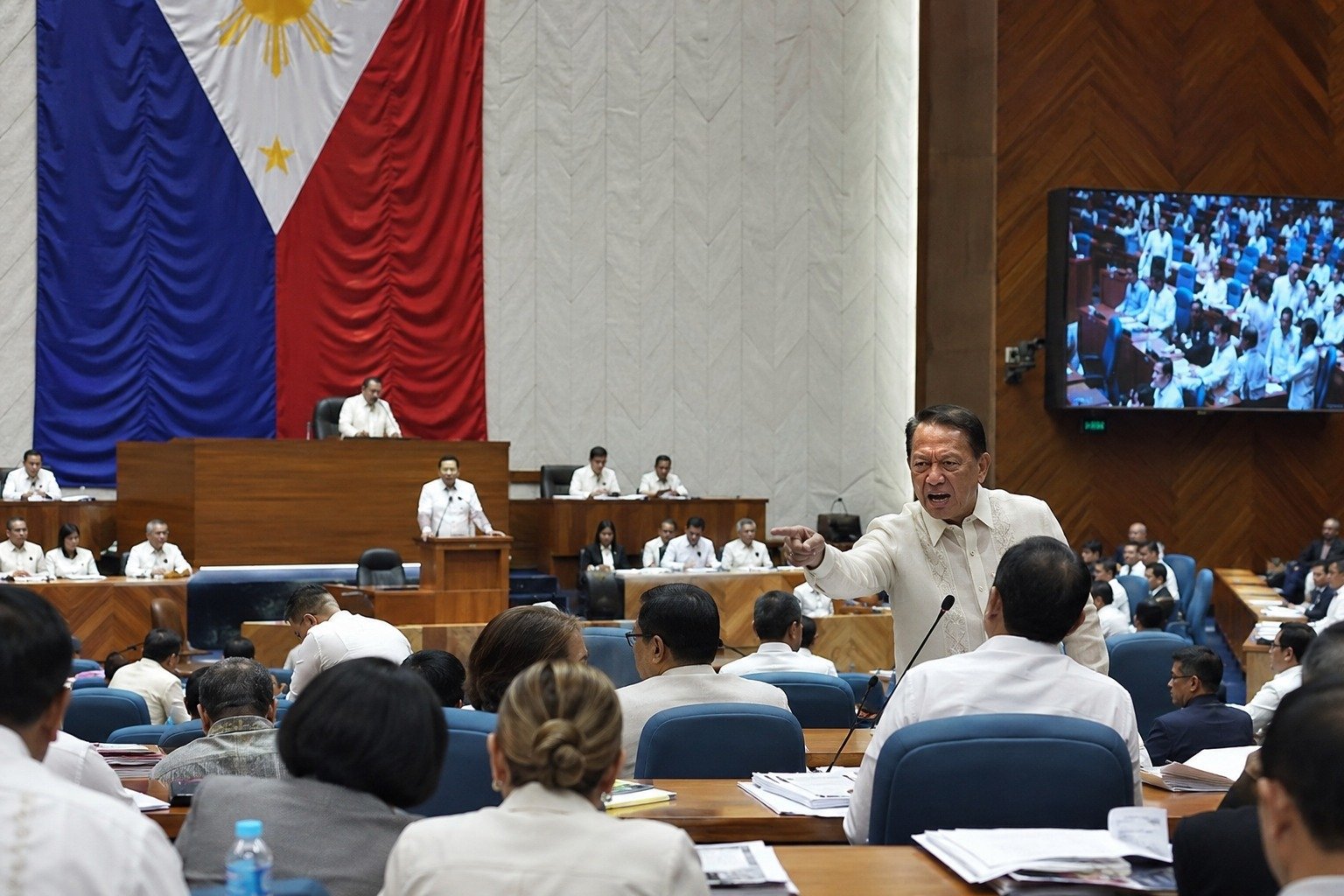
The Philippine House of Representatives is considering legislation that would make political corruption a capital offense — punishable by execution by firing squad. House Bill 11211, introduced in December 2024, would impose the death penalty on government officials found guilty of stealing or misappropriating public funds, placing the Philippines among the only nations on earth where politicians could face execution for financial crimes against the public.
A Country Fed Up With Corruption
The Philippines has a long and well-documented history of corruption at every level of government. Past administrations have seen officials convicted of plundering billions of pesos from state coffers, yet many escaped with light sentences or found ways to delay justice for years. The country’s anti-corruption framework has been widely criticized as inadequate — powerful officials often retire in relative comfort after conviction, if they are convicted at all. Public trust in the Philippine government has reached historic lows as a result.
The country abolished the death penalty in 2006, meaning House Bill 11211 would require reversing that decision — a significant legislative hurdle. But frustration with the status quo has built to a point where lawmakers are willing to consider it. When politicians steal from the public, supporters argue, they condemn millions of ordinary Filipinos to poverty, substandard healthcare, crumbling infrastructure, and failing schools. The price of corruption, in their view, demands the ultimate price in return.
What the Bill Actually Says
House Bill 11211 would apply the death penalty to public officials convicted of graft, malversation of public funds, and other offenses covered by the country’s existing anti-plunder and anti-graft laws. The bill’s authors argue the severity of the punishment is proportional to the scale of the harm these crimes cause. Plunder cases in the Philippines are handled by the Sandiganbayan, a specialized anti-graft court. Past high-profile cases have taken years — sometimes decades — to resolve, with some convicts later receiving pardons from sympathetic administrations.
That pattern of delayed justice and political pardons is exactly what bill supporters want to break. The legislation has not passed into law and still faces a long path through the Philippine legislature. It would also require the Philippines to walk back commitments made under international human rights treaties, creating additional legal challenges that could derail the effort even if it passes both chambers.
Supporters vs. Critics: A Sharp Divide
Human rights groups have been swift to condemn the proposal. Amnesty International and similar organizations warn that a death penalty for corruption could be weaponized for political persecution — used to eliminate legitimate opposition under the cover of anti-corruption enforcement. In countries where courts are not fully independent, they argue, the risk of abuse is severe. A sitting government could accuse political rivals of corruption, convict them through cooperative courts, and execute them with little meaningful recourse.
Supporters counter that those concerns, while valid in principle, should not stand in the way of genuine accountability. Bill proponents argue that existing penalties have repeatedly proven insufficient to deter officials who steal billions. The legislation has already drawn international attention, with observers across the globe debating whether extreme anti-corruption measures are ever justified in a functioning democracy.
What This Means for the U.S. and the World
The United States watches closely whenever a democratic ally revisits capital punishment for any offense. The Philippines is a key strategic partner in the Asia-Pacific and its democratic institutions — however imperfect — are considered essential to regional stability. More broadly, the debate in Manila reflects a global reckoning with corruption and government accountability that resonates far beyond Southeast Asia. As citizens in country after country demand real consequences for officials who steal from the public, the Philippines is testing how far a democracy is willing to go to answer that demand.
Stay informed on the stories that matter most. Follow Your Daily Updates on Facebook and bookmark yourdailyupdates.news for breaking news and analysis.