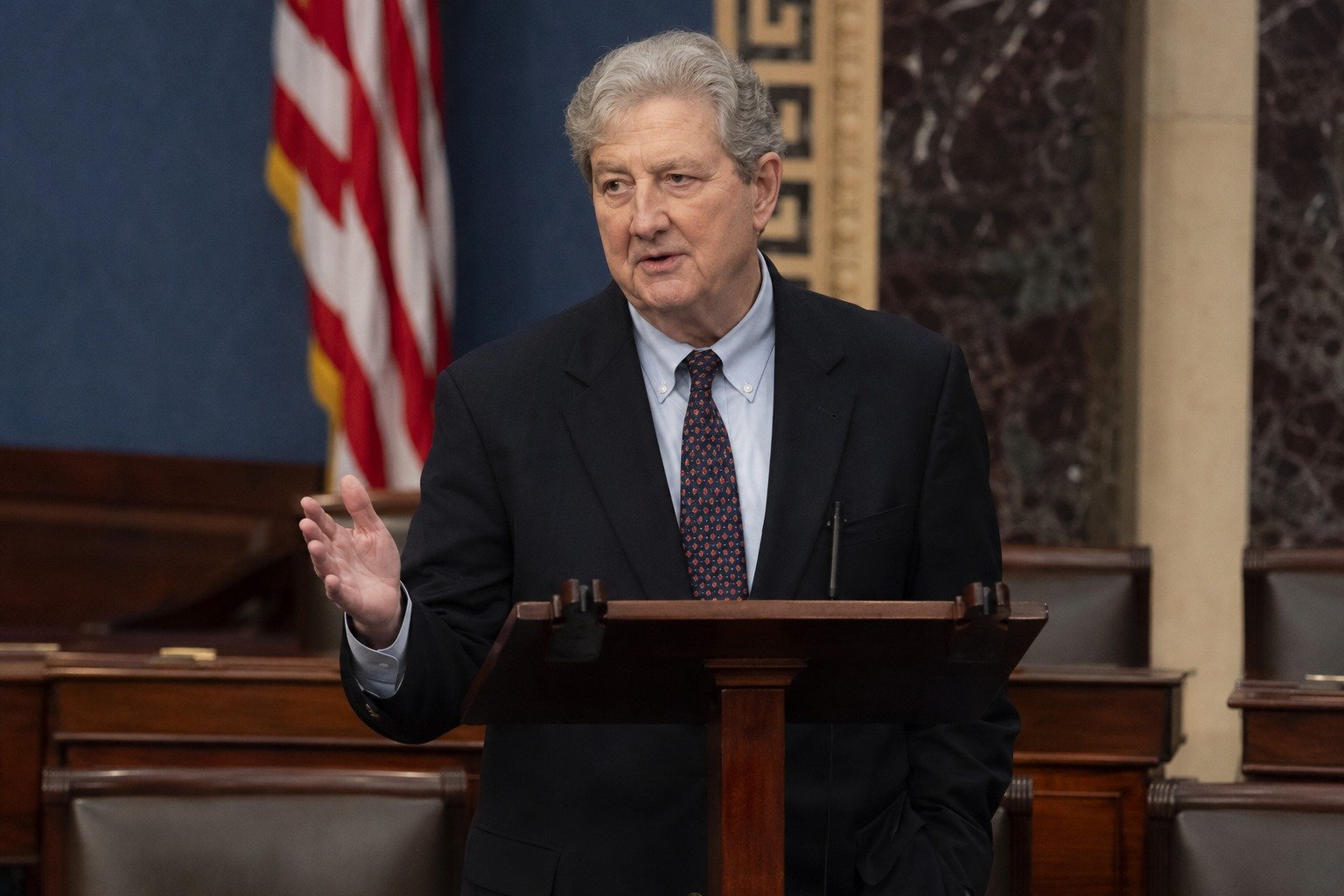
For the first time in American history, every sitting U.S. senator voted to put their own paycheck on the line. In a unanimous 99-0 vote, the Senate passed a resolution introduced by Sen. John Kennedy (R-LA) that would freeze senators’ salaries and deposit them into escrow during any future government shutdown. Under this measure, senators would not receive a single dollar of their $174,000 annual salary until the government fully reopens.
What the Resolution Does
Kennedy’s resolution is straightforward in its intent: if senators fail to do their most fundamental job — fund the government and keep it running — they should not get paid while millions of federal workers and Americans who depend on government services suffer the consequences. Senators’ salaries would be held in an escrow account during any shutdown period and released only once a funding agreement is reached and the government reopens.
The vote was remarkable not just for its result but for its unanimity. In a chamber where bipartisan agreement has become increasingly rare, not a single senator voted against it. That across-the-aisle consensus sends a powerful signal — even lawmakers who have historically used government shutdowns as a political leverage tool agreed, at least publicly, that senators should bear personal financial consequences when the government goes dark.
The Context: Two Shutdowns in Two Years
Kennedy’s resolution didn’t emerge in a vacuum. The U.S. endured two significant government shutdowns in less than two years — a 43-day shutdown in fall 2025 that furloughed hundreds of thousands of federal employees and disrupted services ranging from national parks to food safety inspections, followed by a 76-day Department of Homeland Security funding standoff in 2026 that left border patrol agents, TSA officers, and immigration personnel working without pay for weeks. Throughout both shutdowns, members of Congress continued receiving their full salaries — a fact that drew widespread public outrage and gave Kennedy’s proposal significant momentum.
The Constitutional Wrinkle
There is one significant constitutional limitation that shapes how this resolution actually works. The 27th Amendment to the U.S. Constitution prohibits changes to congressional pay from taking effect during the current congressional term — meaning that any pay change cannot apply immediately to sitting senators. As a result, the pay freeze approved in this vote would apply to members of Congress elected in the 2026 midterms and beyond, not to the senators who cast the votes.
Critics immediately pointed to this as a convenient political maneuver — a vote that allows every senator to claim they supported accountability without personally facing any financial consequences. Supporters of the measure counter that the 27th Amendment leaves no other constitutional path forward, and that the important thing is establishing the precedent and the legal mechanism for future classes of senators.
Will It Actually Change Anything?
Political analysts are divided on whether a salary freeze would meaningfully change the political calculus around government shutdowns. Skeptics note that many current and incoming senators are independently wealthy, and that the prospect of delayed pay — rather than eliminated pay, since it goes into escrow — may not provide sufficient incentive to avoid shutdowns when the political stakes are high enough. In Washington, shutdowns have historically been used as leverage in budget negotiations, and that dynamic doesn’t disappear simply because of a pay freeze.
Others see the resolution as a meaningful step toward accountability, arguing that even symbolically, a unanimous Senate vote linking congressional pay to government function changes the political environment around shutdowns. When future senators face the prospect of their own salaries being withheld, the argument goes, the cost of using government shutdowns as a negotiating tool becomes more personal and more politically costly.
What It Means for Americans
For the millions of federal workers, military families, and Americans who rely on government services, this vote represents a shift in how Washington thinks about the consequences of its failures. The next time the government shuts down, the senators who were unable — or unwilling — to prevent it will find their own pay frozen alongside the paychecks of the workers they failed to protect. Whether that shared financial stake changes outcomes remains to be seen, but the principle has now been enshrined in a unanimous Senate vote.
Stay informed on the stories that matter most. Follow Your Daily Updates on Facebook and bookmark yourdailyupdates.news for breaking news and analysis.