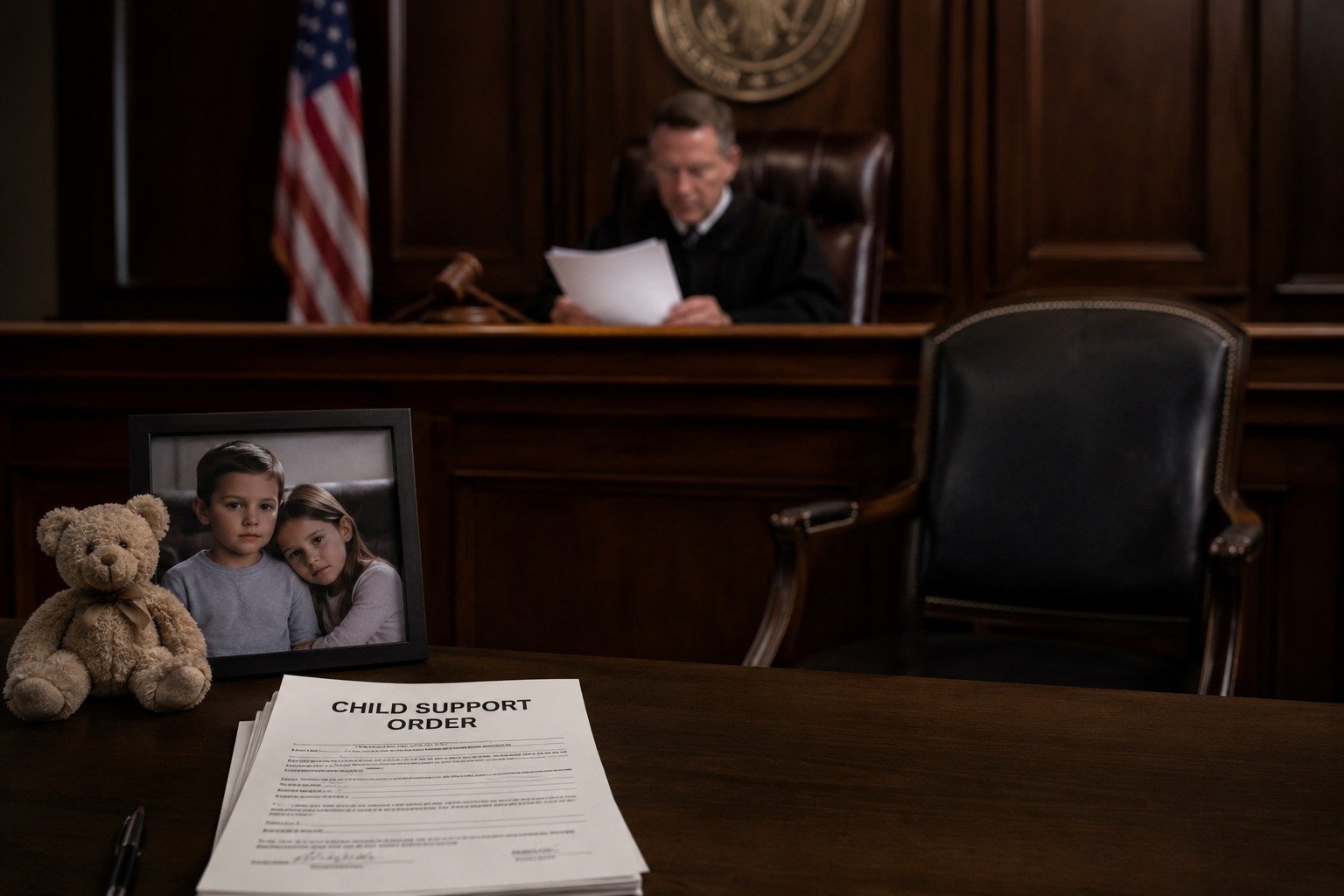
Six states now have a law on the books that does something no drunk driving statute had ever done before: it makes the person behind the wheel financially responsible for the children they leave behind. A family in Tennessee just received the first child support payment ever made under the law — a quiet milestone that advocates for drunk driving victims have been fighting toward for years.
The Law and How It Works
The legislation is formally known as Bentley and Mason’s Law, named after two young brothers whose parents were killed in a drunk driving crash in April 2021. The law is straightforward in its logic: if a drunk driver takes a parent away from a child, that driver becomes legally obligated to provide for that child. Courts can order child support payments to surviving children. If the offender is sentenced to prison, payments begin one year after release and continue until the child turns 18 — or 21 in some cases, depending on the child’s age at the time of the parent’s death.
The law has now passed in six states. Tennessee became the first state where a family actually received a payment, turning what had been a symbolic legal victory into a real-world financial lifeline for children growing up without a parent who should still be there.
The Story Behind the Name
Bentley and Mason’s Law didn’t come from a policy think tank. It came from grief. Two brothers lost their parents in a drunk driving crash in 2021, and the people around them refused to let the legal system treat that loss as just another accident. State Senator Mike Henderson carried the bill through multiple legislative sessions before it finally gained traction. What began as one family’s story became a movement — and then a law that spread across state lines as other families recognized their own loss in Bentley and Mason’s names.
The Debate Over Enforcement
Critics of the law have raised practical concerns about enforcement. Drunk drivers who cause fatal accidents often face prison sentences, and incarcerated individuals typically have limited earning capacity. The question of whether a meaningful child support payment can actually be extracted from someone serving time — or someone who emerges from prison with few assets — is real. Skeptics argue the law creates a right that may be difficult to enforce in practice.
Supporters don’t dismiss the enforcement challenge, but they argue it misses the point. The law changes the legal relationship between the offender and the surviving children. It creates an obligation that follows the driver for years, not just through the criminal justice system. And critically, it tells every child who lost a parent to a drunk driver that society sees what happened to them — and that the law will not allow the person responsible to simply move on.
What Comes Next
Missouri — the state where the bill originated — has been one of the holdouts. The legislation has been introduced there for several sessions without passing. Advocates say the Tennessee milestone changes the conversation. When critics argue the law is too difficult to implement, Tennessee can now point to an actual check, an actual family, and an actual payment. That real-world proof of concept is expected to give momentum to pending legislation in Missouri and other states considering the measure in 2026.
What This Means for American Families
Every year in the United States, drunk drivers kill tens of thousands of people — leaving behind children who had nothing to do with the choices that destroyed their family. Bentley and Mason’s Law doesn’t undo that. Nothing does. But it closes a gap in accountability that has existed for as long as drunk driving laws have been on the books. A criminal conviction punishes the driver. This law makes them responsible — financially, legally, and on an ongoing basis — for the lives they fractured. The first payment in Tennessee is small. What it represents is not.
Stay informed on the stories that matter most. Follow Your Daily Updates on Facebook and bookmark yourdailyupdates.news for breaking news and analysis.