A drunk driver rear-ended a car on a Missouri highway and in seconds, a family was gone. The vehicle left the road and burst into flames. Cordell Williams, his fiancée Lacey Newton, and their 4-month-old son were killed. Two little boys — Bentley and Mason — survived. They had no one left.
A Grandmother’s Promise Became a Law
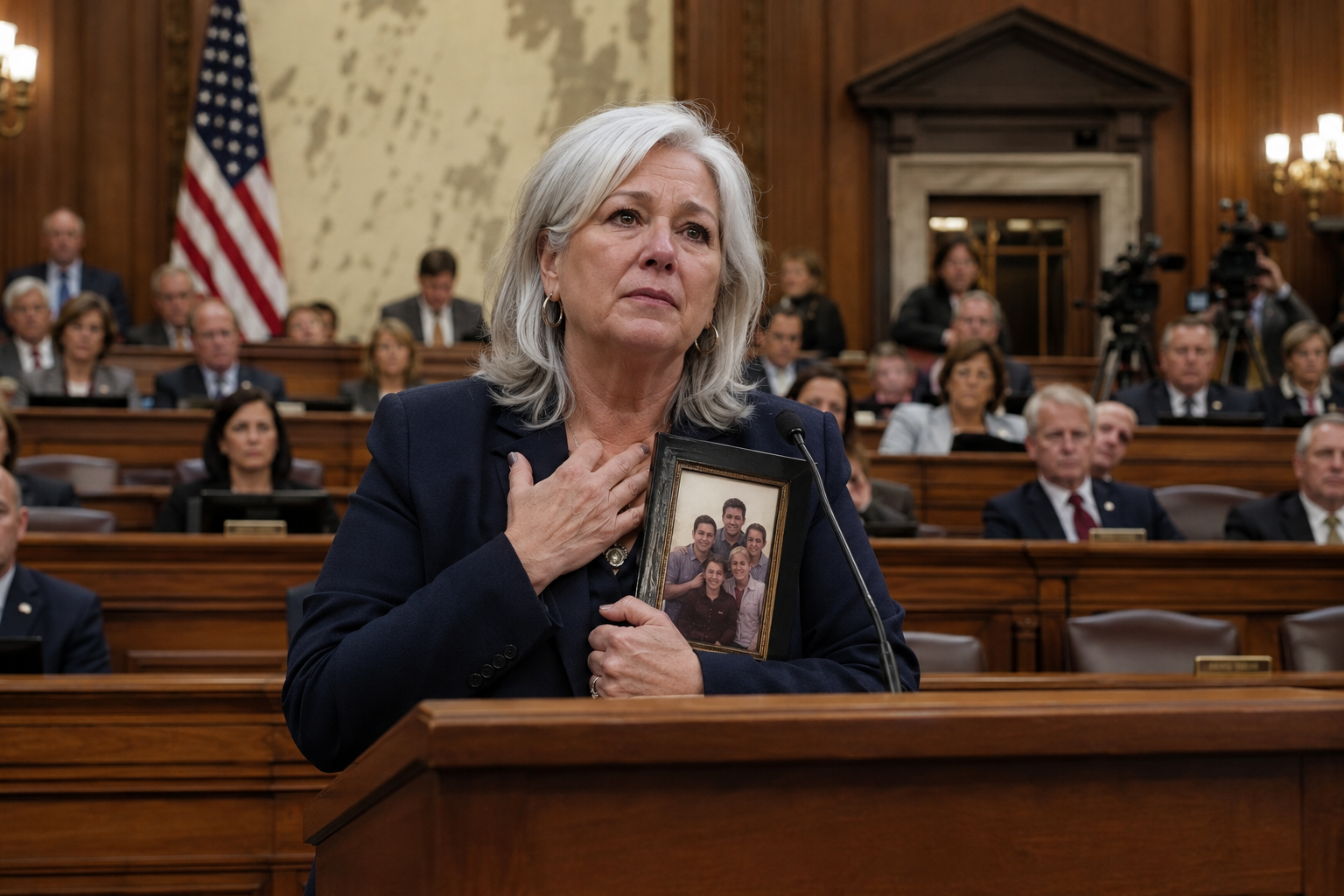
Their grandmother, Cecilia Williams, took the boys in. And then she made a promise. She drafted what would become Bentley’s Law: any drunk driver convicted of killing a parent must pay child support to the surviving children left behind. The law was named after the boy who lost everything that night on that Missouri highway.
Missouri became the first state to pass it. The legislation was straightforward in its logic — if a drunk driver’s reckless choice destroys a family unit, the financial consequences of that destruction don’t disappear. They follow the person responsible. The children who are left without parents shouldn’t also be left without financial support.
Six States Down. Dozens More in Motion.
Five more states have since followed Missouri’s lead, passing versions of Bentley’s Law into their own statutes. Now more than a dozen others are actively working on legislation, and advocates are pushing to take it federal — extending the law’s reach to all 50 states. The momentum is real and it’s accelerating.
The federal push would require any drunk driver convicted of vehicular manslaughter or homicide involving the death of a parent to be ordered by the court to pay child support to the surviving minor children. The amount would be calculated similarly to standard child support determinations — based on the driver’s income and the number of children left behind.
The Principle Behind the Law
The core argument is difficult to dispute. Drunk driving is a choice. Every person who gets behind the wheel intoxicated makes a decision — and in cases like Cordell Williams’ death, that decision eliminates an entire family structure in a matter of seconds. The law doesn’t erase the grief. It doesn’t bring anyone back. But it forces the person who caused the destruction to carry at least part of what they left behind.
Critics of such legislation raise concerns about whether drunk drivers, who often face prison sentences, would have the financial means to make meaningful payments. Advocates counter that the payments can begin when the driver is released, can be structured over time, and that the principle of accountability matters regardless of the immediate financial reality. Courts already order restitution and civil judgments in cases like these — child support is a natural extension.
What It Means for Families Across America
For families like Bentley and Mason’s, laws like this are about more than money. They’re about recognition — that the drunk driver’s choice had real, lasting consequences for real children, and that the legal system will hold that driver accountable not just criminally, but financially and practically, for years to come. Cecilia Williams kept her promise to her grandsons. Now lawmakers across the country are working to keep it too.
Stay informed on the stories that matter most. Follow Your Daily Updates on Facebook and bookmark yourdailyupdates.news for breaking news and analysis.