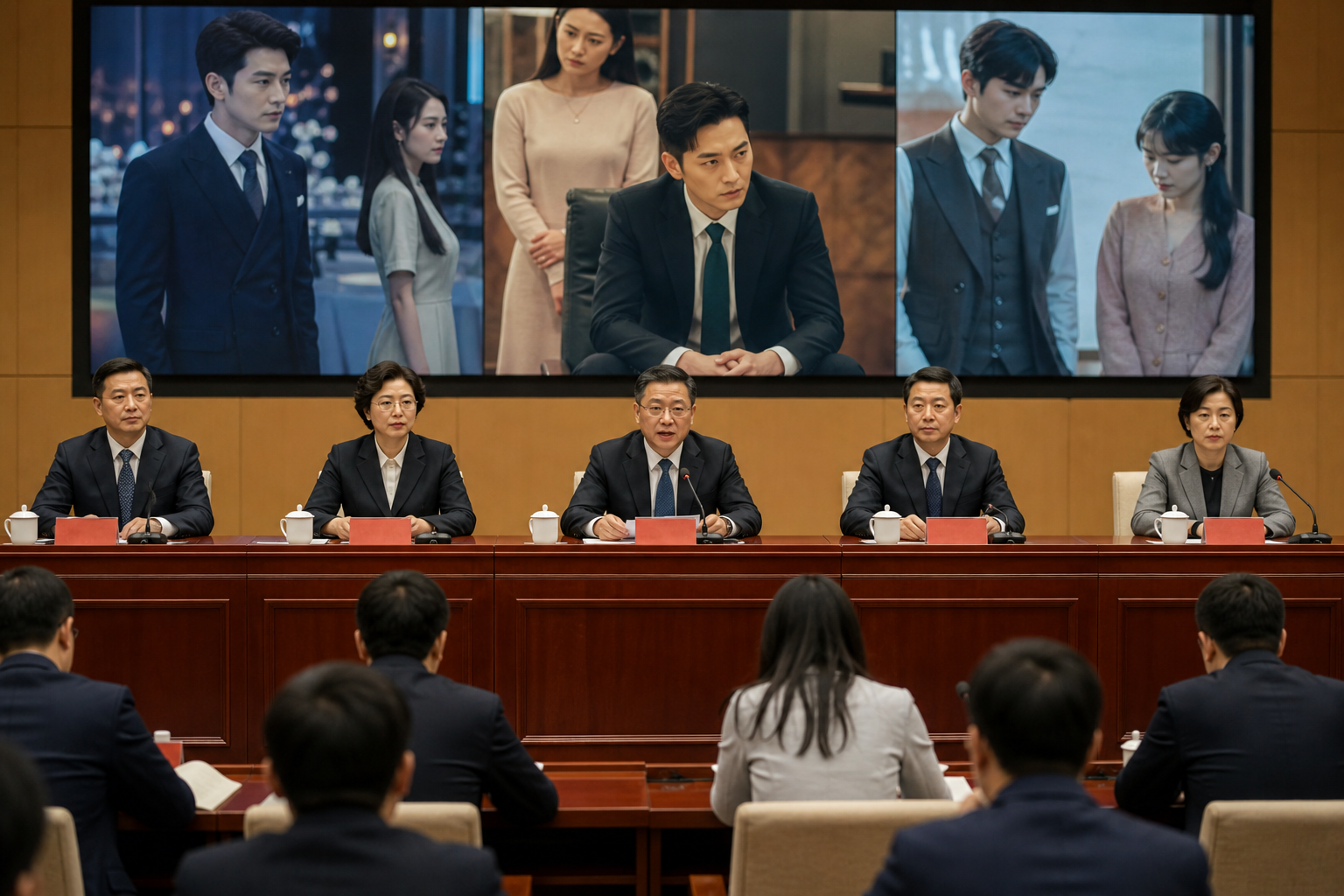
China’s government has officially banned one of its most popular entertainment formats. The country’s National Radio and Television Administration released sweeping new rules targeting micro-dramas — short, phone-optimized romance shows that have exploded across Chinese streaming apps — and singled out the “domineering CEO” genre for elimination. These are the stories where a cold, powerful billionaire falls for an ordinary working-class woman, and they have been watched by hundreds of millions of Chinese viewers.
What Are Micro-Dramas?
Micro-dramas are bite-sized episodes — typically one to three minutes long — designed specifically for vertical phone screens. They emerged in China around 2022 and grew into a multi-billion dollar industry almost overnight. The content is deliberately addictive: each episode ends on a cliffhanger, viewers pay small fees to unlock the next episode, and the “domineering CEO” romance formula became the genre’s dominant formula. Think of it as the fast food version of a soap opera, and the appetite for it was enormous.
At their peak, micro-dramas were generating more daily viewing time in China than traditional long-form television. Hundreds of production companies launched specifically to churn them out, and the formula was simple: cold, powerful, obscenely wealthy man meets struggling, kind-hearted ordinary woman, chaos ensues, and love conquers all — usually including the CEO’s icy personality. The genre became a cultural phenomenon, and regulators took notice.
What the New Rules Say
The new regulations are specific and sweeping. Producers are now required to limit how many “domineering CEO” style shows they can produce. Titles using sensational language — including the phrase “domineering CEO” itself — are prohibited. More significantly, storylines that “glorify marriage with the powerful and wealthy” are banned outright, along with plots that promote materialism, instant wealth, or the idea that finding the right powerful partner is a viable path to success.
This is not the first time Beijing has gone after micro-dramas. Authorities previously pulled more than 25,000 episodes for violating content standards. But those earlier crackdowns targeted individual pieces of content for specific violations. This new round of rules targets the entire formula — the aspirational storyline itself is now considered harmful enough to require state intervention.
Beijing’s Justification
The government’s stated reasoning reveals a great deal about how China’s leadership views its population. Regulators argue that domineering CEO dramas are quietly reshaping what young Chinese women want out of life. The claim is that instead of being inspired to pursue education, careers, and professional achievement, women are being conditioned by these stories to dream about marrying into wealth and power. In Beijing’s framing, this isn’t just mindless entertainment — it’s a social hazard that requires correction from above.
Officials specifically used the word “delusional” to describe the worldview these dramas promote, arguing that the fantasy of being rescued by a billionaire is incompatible with the values China wants its women to hold. The government has been actively pushing a message that women should be contributing to the country’s economic and professional development — not escaping into romantic fantasies.
The Pushback
Critics inside China, speaking carefully on social media, pointed out the obvious irony: a government that controls nearly every aspect of public life is now upset that women enjoy fictional escapes from it. The micro-drama genre became enormous precisely because it offered something state-approved entertainment rarely does — uncomplicated wish fulfillment, satisfying emotional arcs, and stories that end happily. Banning the format doesn’t eliminate the desires that made it popular. It just removes one of the few outlets for them.
The crackdown also fits a broader pattern. Beijing has spent the last several years tightening control over digital entertainment, gaming, celebrity culture, and now romance fiction formats. Each time, the justification follows a similar template: the content is corrupting the values of young people and must be corrected. The targets change — sometimes it’s video games, sometimes it’s celebrity fan culture, sometimes it’s the entire tutoring industry — but the approach remains the same.
What This Means
The Chinese government now officially decides what kinds of love stories its citizens are allowed to watch. That’s the bottom line. While Western audiences may find this story amusing — a government so worried about fictional CEOs that it banned them — the implications are serious. State control over entertainment is state control over aspiration, imagination, and the emotional lives of hundreds of millions of people. The domineering CEO is gone. What fills that void will be whatever Beijing decides is appropriate.
Stay informed on the stories that matter most. Follow Your Daily Updates on Facebook and bookmark yourdailyupdates.news for breaking news and analysis.