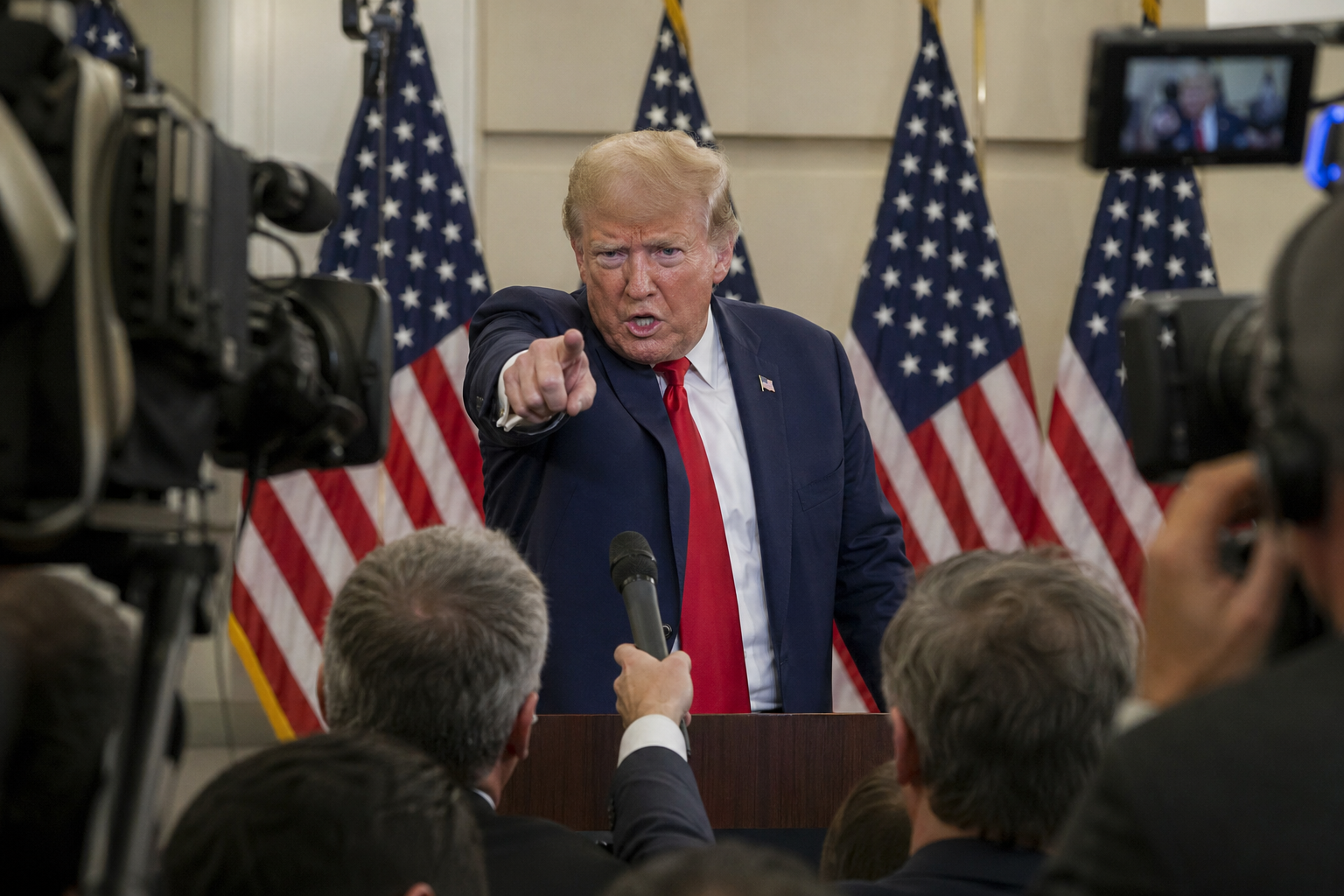
President Trump escalated his battle against Senate obstruction this week, publicly calling for the abolition of the filibuster after four Republican senators crossed party lines to block the SAVE America Act — a bill that would have required proof of citizenship to register to vote. The final vote was 48-50. The margin of defeat came entirely from within his own party.
What the SAVE Act Would Have Done
The SAVE Act — Safeguard American Voter Eligibility Act — has been a centerpiece of the election integrity movement for years. The bill proposed a simple requirement: anyone registering to vote must provide documentary proof of U.S. citizenship, such as a passport or birth certificate. Supporters called it a common-sense safeguard. Critics called it voter suppression. The Senate didn’t even get to debate it.
The concern driving the legislation is real. Federal and state-level audits have found evidence of non-citizens appearing on voter rolls across multiple states. The numbers aren’t massive, but in close races, they don’t need to be. The SAVE Act was designed to close that gap at the registration stage — before a single illegal vote could be cast. Instead, the Senate killed it before it could even get to the floor for debate.
The Four Republicans Who Voted No
The procedural vote fell 48-50. Every Democrat voted against advancing the bill. They were joined by four Republicans: Susan Collins of Maine, Lisa Murkowski of Alaska, Thom Tillis of North Carolina, and Mitch McConnell of Kentucky. These four votes provided exactly the margin needed to kill the bill before it could reach a full Senate debate. Without them, the SAVE Act would have advanced.
Collins, Murkowski, Tillis, and McConnell represent what critics in the populist wing of the GOP have long described as the establishment faction — senators who have historically broken with their party on procedural and bipartisan matters. McConnell’s vote was especially notable. For years, he was the Senate’s most prominent defender of the filibuster rule — a position that, in this case, aligned him directly with the Democratic caucus against a White House priority.
Trump’s Response: Abolish the Filibuster
Trump didn’t wait to respond. The president went public with a direct demand: abolish the filibuster. The Senate’s 60-vote threshold for advancing most legislation is what gave these four Republicans the power to stop the SAVE Act with a minority vote. Under simple majority rules, 51 votes would have been enough to proceed. Republicans hold 53 seats. The math would have favored the bill.
This isn’t Trump’s first push to end the filibuster — he’s called for its abolition multiple times during both his first and second terms. But the intensity is escalating. With a full legislative agenda on the line — from immigration enforcement to election integrity to budget reconciliation — the procedural rule has become a recurring obstacle. The question is whether Senate leadership is willing to act.
What This Means for Election Integrity
For the millions of Americans who believe non-citizen participation in elections is a genuine threat, the defeat of the SAVE Act is a direct setback. A straightforward bill requiring proof of citizenship — a rule that most other democratic nations take for granted — could not survive a Senate procedural vote. The filibuster, wielded by four members of the president’s own party, was the mechanism that stopped it. Until the rules change, or until those four senators change their votes, this fight is on hold.
Stay informed on the stories that matter most. Follow Your Daily Updates on Facebook and bookmark yourdailyupdates.news for breaking news and analysis.