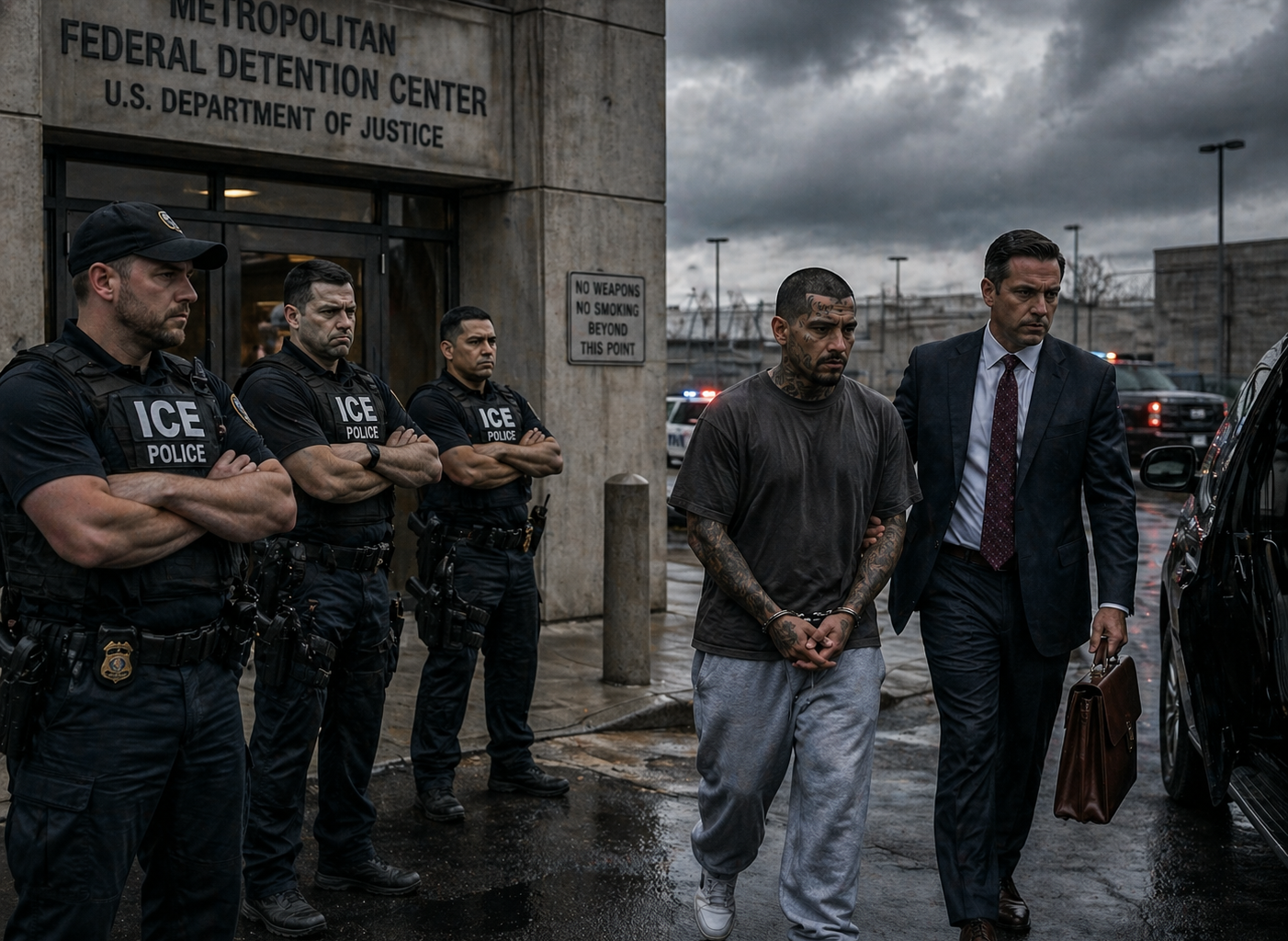
A federal judge issued an injunction blocking the deportation of an illegal immigrant who had already been convicted of a violent felony. Within months, that same man was arrested again — this time for assault on a stranger. The judge faced no consequences. No formal review. No accountability of any kind. The victim received nothing but a police report.
This is not an isolated incident. Across the country, federal judges have been issuing sweeping orders that halt immigration enforcement for individuals with serious criminal histories. The legal reasoning varies, but the outcome is consistent: violent offenders remain in communities they were ordered to leave, and when they strike again, the judges who shielded them are immune from any professional or personal liability under current law.
The doctrine of judicial immunity dates back to the 19th century and was designed to protect judges from being sued over legitimate rulings made in their official capacity. The intent was sound — courts cannot function if judges fear personal financial ruin every time they rule against a litigant. But critics argue that doctrine was never designed to shield judges who ignore public safety in favor of ideological opposition to federal immigration law.
The conversation has now moved well beyond legal circles. Republican lawmakers are introducing legislation that would create limited exceptions to judicial immunity specifically in immigration cases — particularly where a judge’s order directly enabled a violent crime. The argument is straightforward: if a private citizen knowingly helped harbor a violent criminal who then hurt someone, they could face civil liability. Why should a federal judge be held to a lower standard?
Defenders of the current system say the comparison doesn’t hold. Judges are not harboring criminals — they are interpreting the law as they understand it, sometimes under significant pressure from higher courts and evolving legal precedent. Stripping judicial immunity in immigration cases, they argue, would set a dangerous precedent that could chill decision-making across the entire judiciary. Every controversial ruling would become a potential lawsuit, chilling honest judicial conduct and undermining the independence that makes courts functional.
But victims’ families are asking a simpler question: who answers for them? When a judge issues a blanket deportation order, they do so with full knowledge of the individual’s criminal record. When that record includes violence and the person re-offends, the judge’s decision was not made in a vacuum — it was made with information that a reasonable person might have weighed very differently. The call for accountability is not about punishing judges for being wrong. It’s about creating a system where the human cost of a ruling has some weight in the calculus.
The political momentum behind this debate is real. Several states have passed or are considering legislation requiring judges who issue immigration holds to appear before oversight panels when their decisions result in a crime. At the federal level, the proposals are more aggressive — some calling for the creation of a new review board specifically empowered to examine judicial conduct in national security and immigration cases.
None of these proposals have cleared the finish line yet. But the pressure is building, and the cases keep coming. Every time a protected deportee re-offends, the question gets louder: should the person who made that protection possible face any consequence at all?
The answer to that question may define one of the most significant shifts in American judicial accountability in a generation.
SHOULD JUDGES NOW BLOCKING DEPORTATION OF VIOLENT CRIMINALS BE HELD PERSONALLY LIABLE IF THEY KILL AGAIN? Tell us in the comments.